Insight Focus
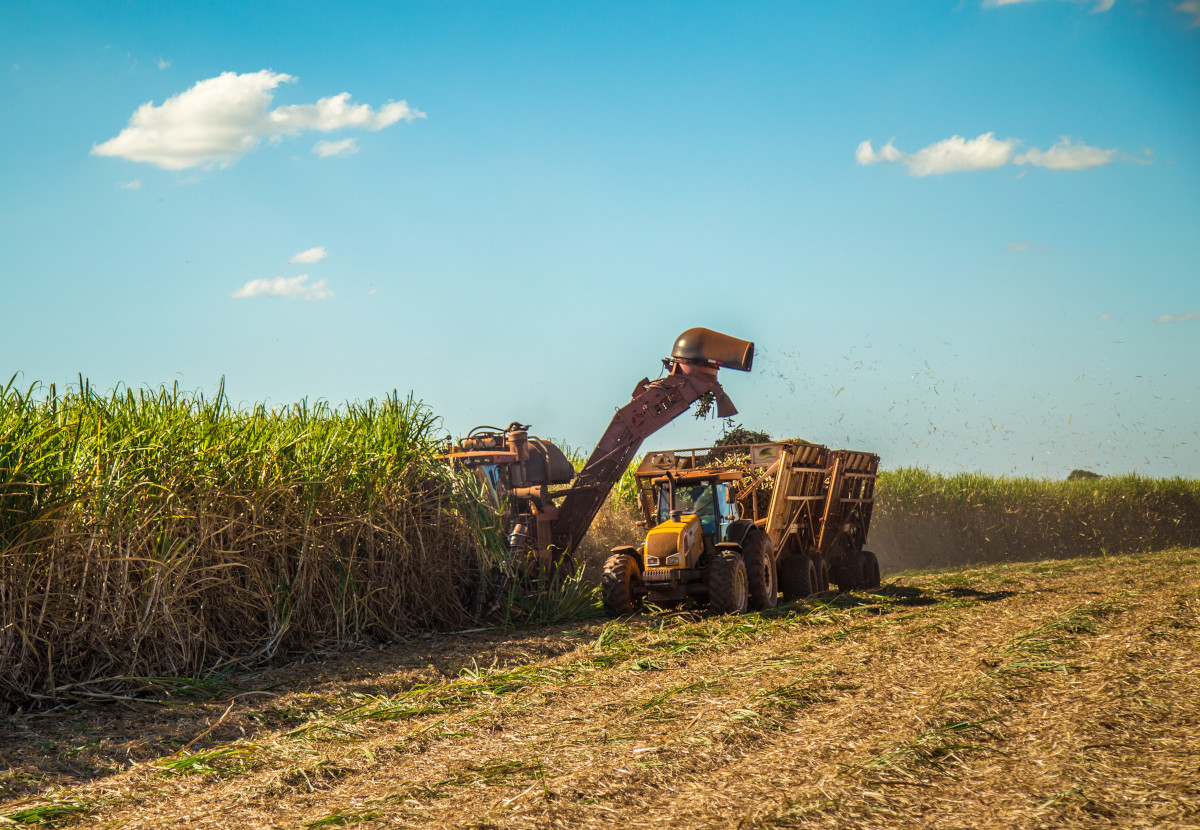
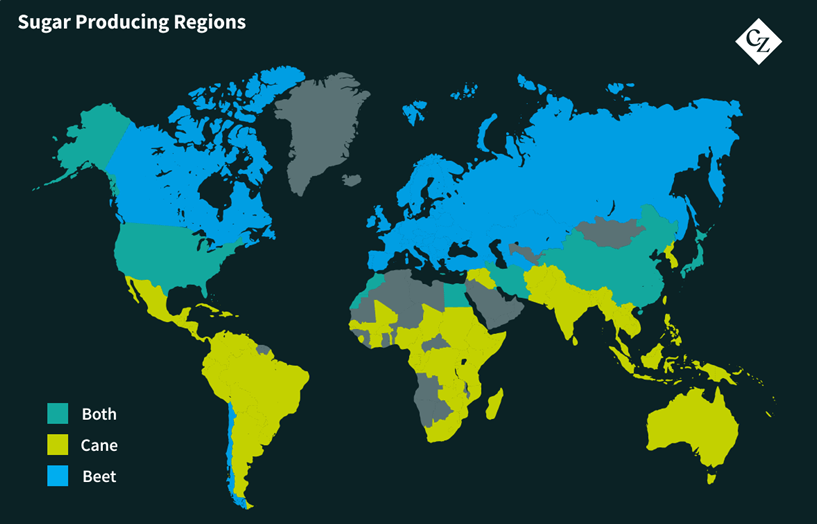
Sugar comes from two main crops: sugar cane, which accounts for around 80% of global sugar production, and sugar beet. Both produce the same sucrose molecule. Beet is normally processed directly into white sugar, while cane can be made into raw or white sugar. The two crops are grown in different climates and regions.
Sugar Beet
Sugar beet is a root crop grown in temperate regions, particularly across Europe, Russia, the US and parts of Asia.
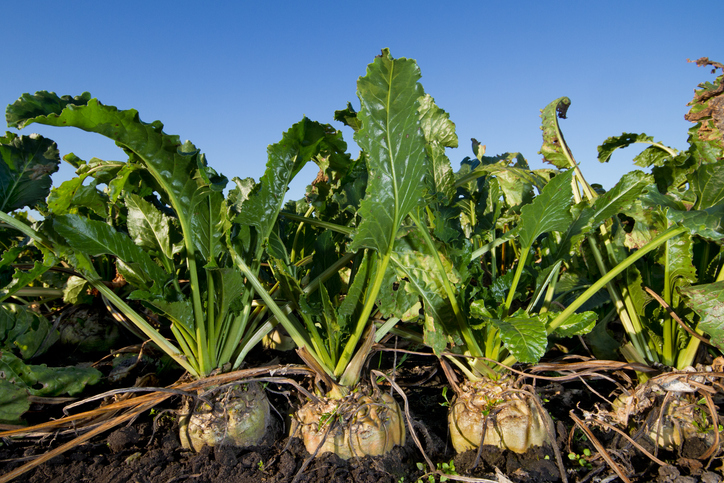
It is a biennial plant, meaning its natural life cycle lasts two years. During the first year, the plant stores sucrose in its root. Commercial beet is harvested at the end of this first growing season, before the plant uses the stored sugar to flower and produce seed.
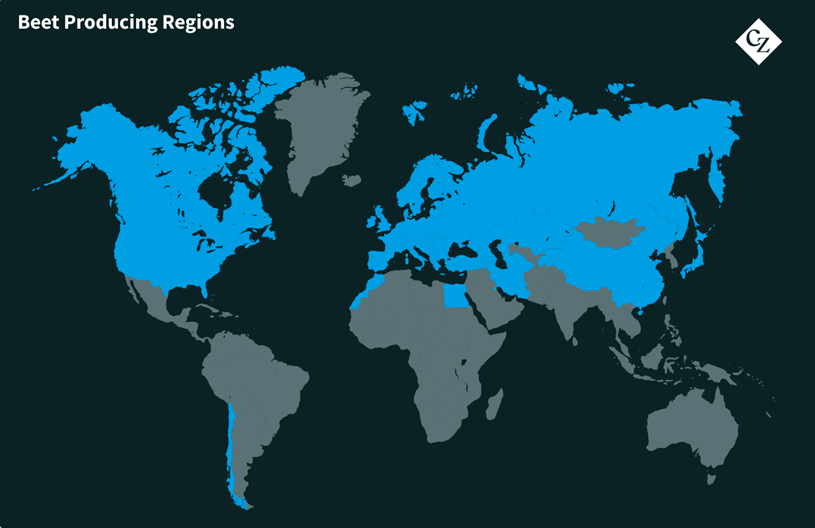
Beet is normally planted in spring and harvested in autumn or early winter. The crop needs sufficient sunlight and soil moisture, as well as deep soil that allows the root to grow. Weeds, pests, disease, drought and hard frost can all reduce yields or sugar content.
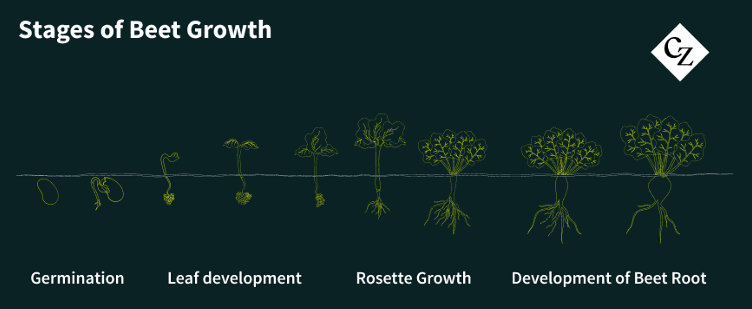
Sugar content at harvest varies by variety, weather and location, but typically represents around 14–20% of the beet’s weight.
Beet is lifted from the soil using a mechanical harvester. The leaves and crown are removed and the roots are transported to a nearby factory. Factories are normally located close to growing areas because beet contains a large amount of water and can deteriorate after harvest.
How Is Beet Sugar Made?
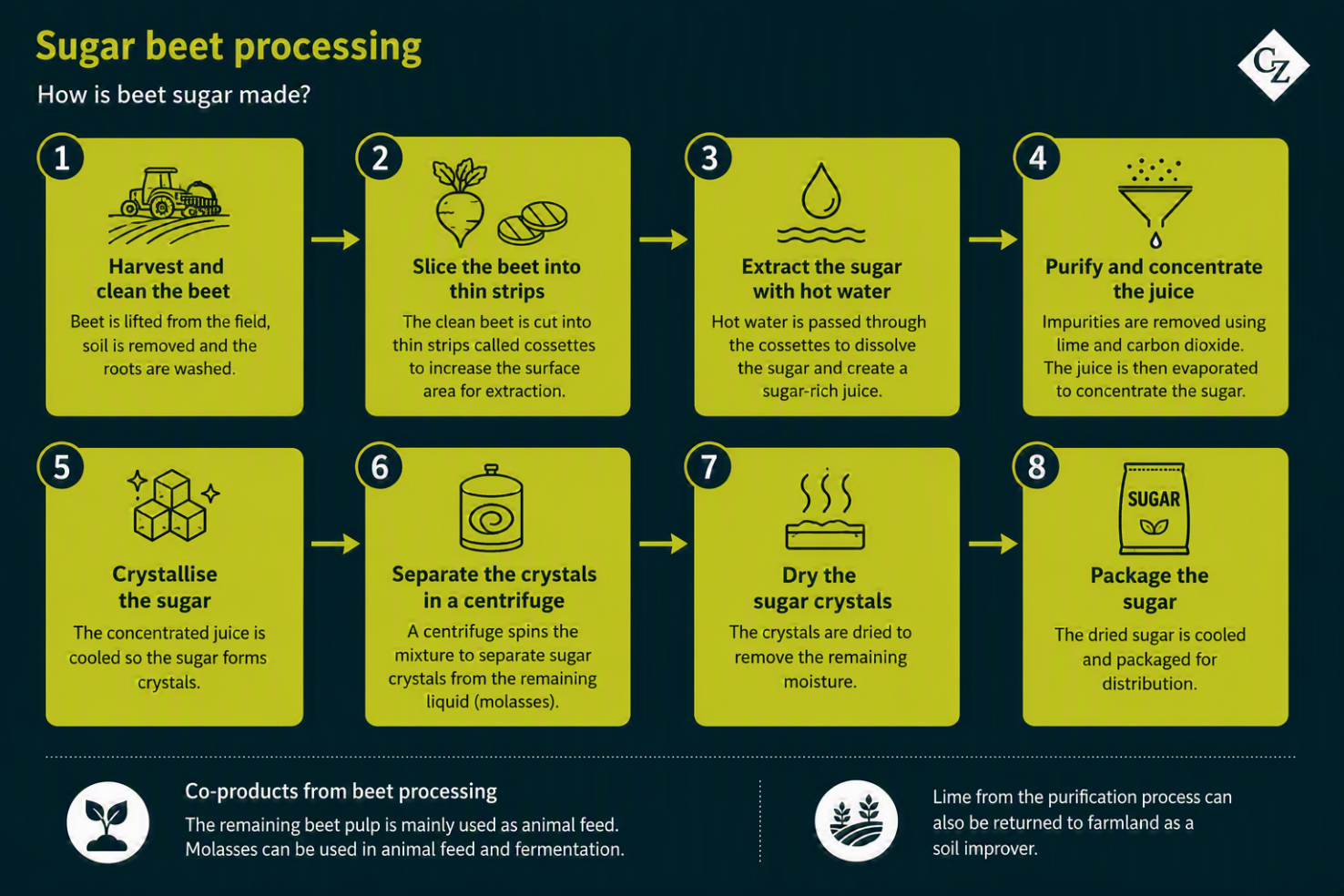
Unlike sugar cane, sugar beet can be processed directly into white sugar at a single factory. The beet is cleaned and sliced before its sugar is extracted with hot water. The juice is then purified and concentrated to produce the same sucrose crystals found in cane sugar.
Sugarcane
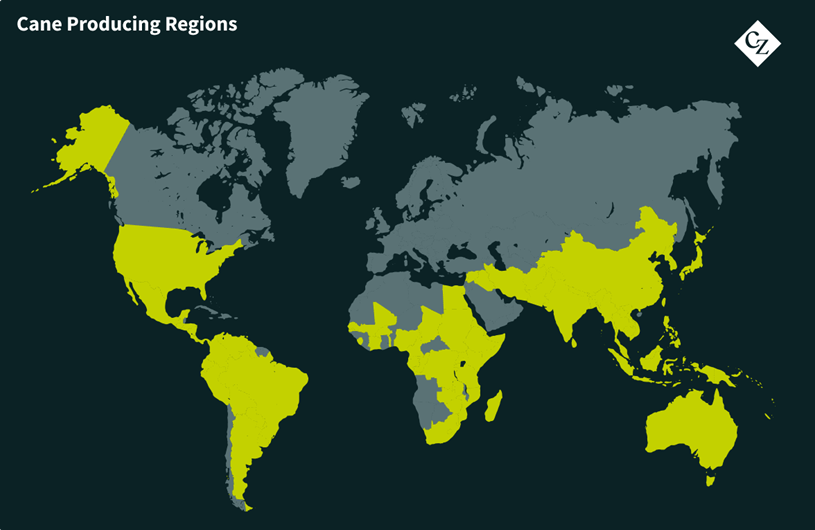
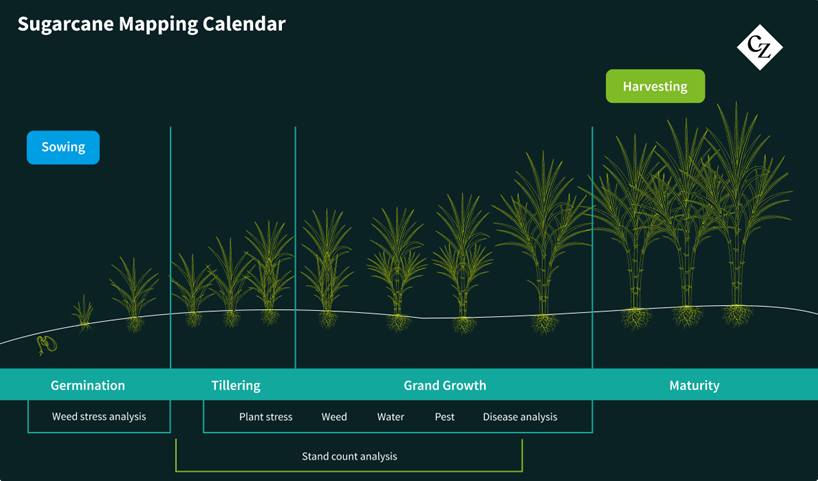
Sugar cane is grown in tropical and subtropical regions. Brazil and India are by far the largest producers, followed by China, Pakistan and Thailand. Cane normally takes 12–18 months to reach its first harvest. After cutting, the plant can regrow from the same roots, allowing several further crops before replanting is needed.
Cane can be grown from seeds, but the most common method is to take sections of existing cane stalks and plant them directly in the ground. New cane shoots then form from the original cane plant.
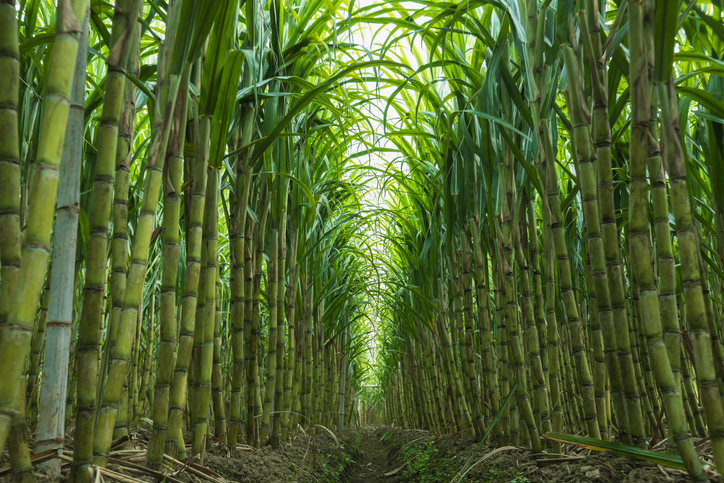
Sugar cane needs a warm, frost-free climate and a reliable water supply. Its total water requirement is typically around 1,000–1,500mm over the growing period, supplied by rainfall, irrigation or both.
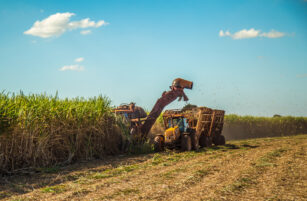
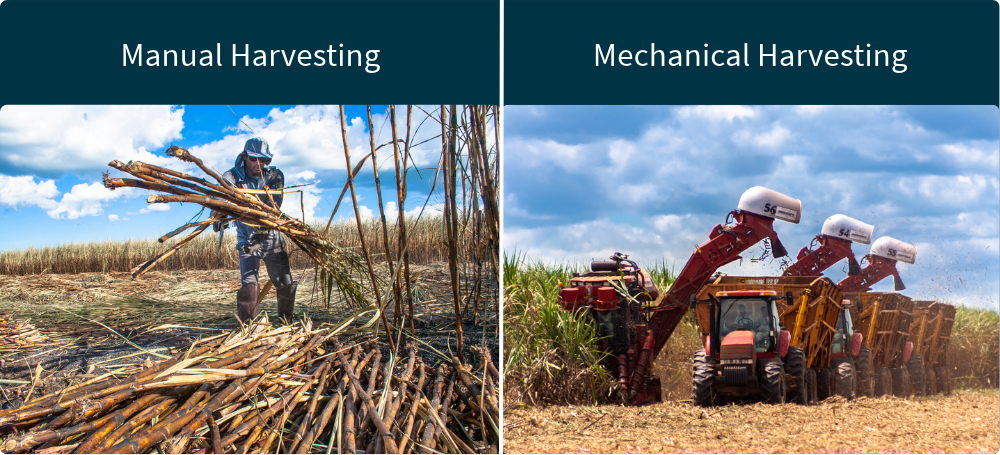
Sucrose is stored in the cane stalk. The crop can be harvested manually or mechanically. Some manually harvested cane is burned before cutting to remove dry leaves and make the crop easier to handle, although many regions now harvest the cane without burning. Once cut, cane must be transported to the mill quickly because its quality begins to deteriorate.
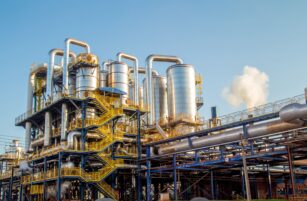
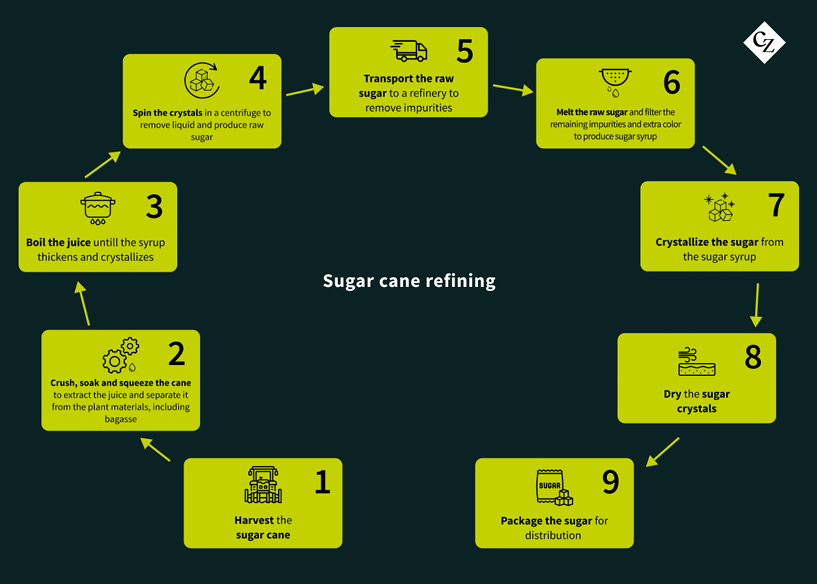
Once harvested, the cane is transported to a nearby mill. It is shredded and crushed to extract the juice, with water sometimes added to recover more sugar. The juice is then purified, concentrated and crystallised to produce raw sugar.
During the production of sugar, mills also produce molasses. Molasses is primarily used for the sweetening and flavouring food products, home baking, brewing ale, distilling rum, animal feed, flavouring tobacco products and as a defining component of commercial brown sugar.
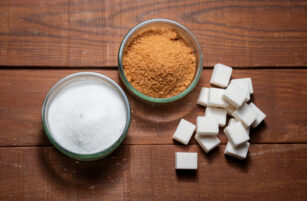
When raw sugar has been produced from the sugar cane, it is often further processed into white sugar. Some mills have the capacity to produce whites; those that don’t sell their sugar to refineries. To produce refined sugar, raw sugar has to go through a purification process.
Many mills also generate the electricity using the cane fibre that is left after the cane is crushed. This means that sugar mills are self-sufficient in energy and can export power to the grid.
Sugarcane Ethanol Production
The sucrose in sugar cane can also be used to produce ethanol. This is most frequently done in Centre South Brazil and India. Sucrose is extracted from sugar cane at mills with distillation capacity in the same way as to make sugar. However, the resulting cane juice is or sucrose-rich molasses are then fermented and then distilled to extract ethanol.