Insight Focus
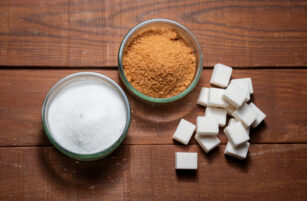
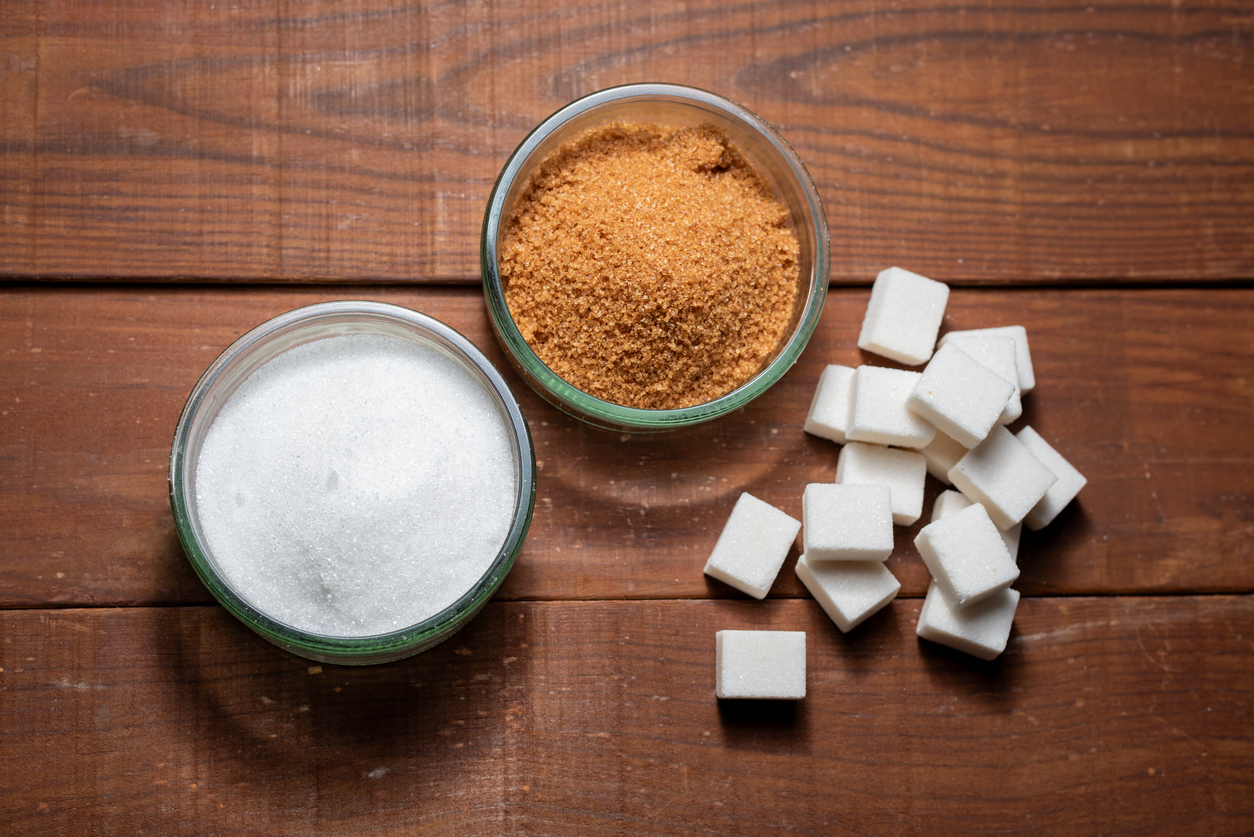
Raw sugar is not fit for human consumption; it requires further processing at a refinery to become food grade. White sugar is a higher-purity, food-grade product that must be handled under stricter hygiene controls.
Pure sugar is 100% sucrose. Pure sucrose is a white crystalline solid.
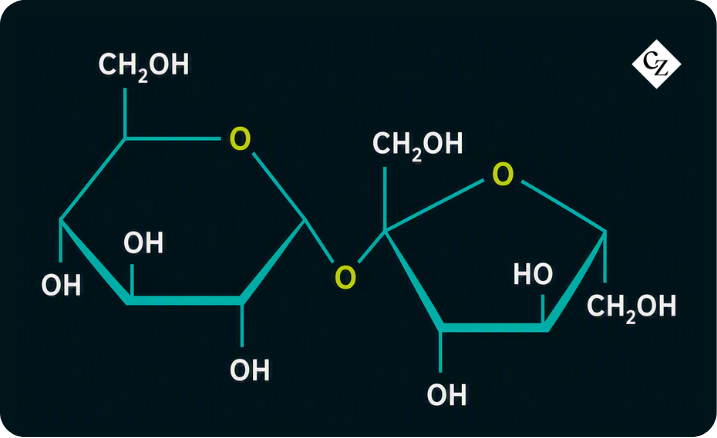
Outside of a lab, pure sucrose rarely exists. Sugar almost always contains impurities which usually result from its extraction from sugar cane and sugar beet.
To extract sugar, cane is crushed or beets are sliced. The sucrose within them is then extracted by dissolving in water and this liquor is then crystallised. But impurities from the cane/beet plants and the process are still present.
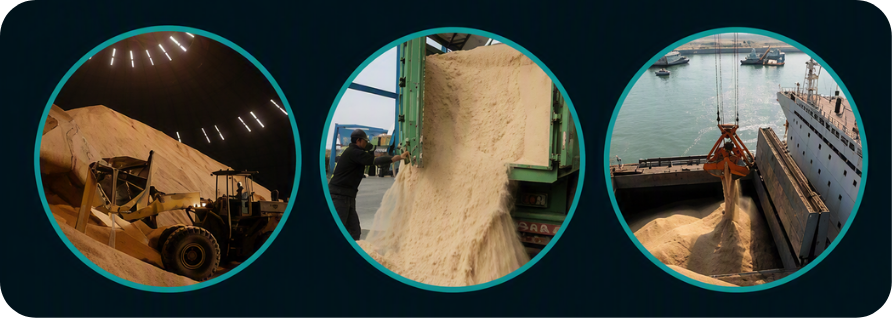
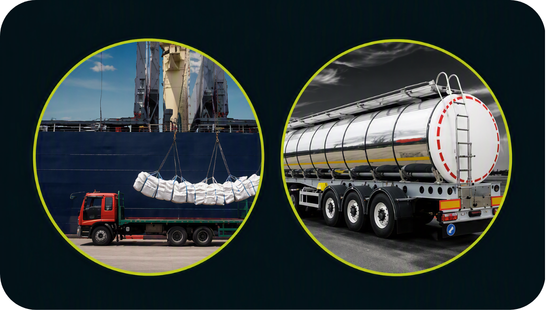
Raw sugar is only made from cane crushing at a sugar mill. It contains a high level of impurities and so is usually brown in colour. It can also have a slightly bitter flavour. Raw sugar is not fit for human consumption and needs further processing at a refinery. This means that raw sugar can be transported like any other bulk commodity: loose in a truck, in a rail car and loaded directly into a ship’s hold.
In contrast white sugar can be made from cane crushing at a sugar mill, from beet slicing at a sugar factory or from processing raw sugar at a refinery. White sugar has fewer impurities and so is usually white or off-white. It is fit for human consumption and so is a food product, not an industrial product. This means it must be handled according to strict hygiene protocols. For example, most white sugar is transported in double-lined polypropylene bags or food-grade tanker.
Pol and ICUMSA colour are two of the main indicators used to describe sugar quality. Buyers may also specify limits for moisture, ash and other characteristics.
Polarisation
Polarisation, usually shortened to ‘pol’, is an optical measure used to estimate the sucrose content of sugar. A higher pol generally indicates a higher concentration of sucrose.
Pure sucrose has a pol of 100 degrees. The lower the pol, the more impure the sample. High-quality refined sugar generally has a pol exceeding 99.7 degrees. Lower-quality white sugars typically achieve 99.5 degrees. High-quality raw sugar typically reaches 99.3 degrees. Poor quality raw sugar can fall below 96 degrees on occasion.
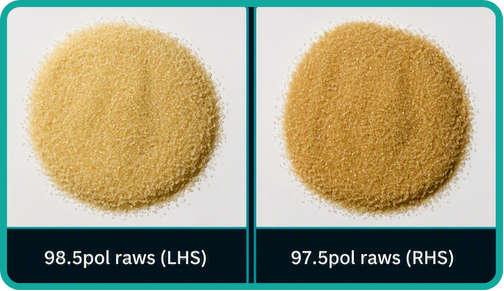
Different sugar producers make different grades of raw sugar. Here’s a table of common qualities.
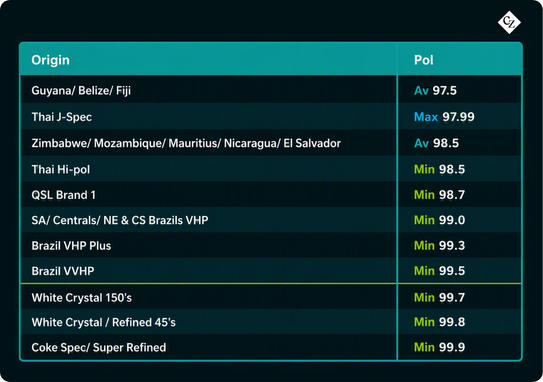
The No.11 raw sugar futures benchmark assumes 96pol raws, which is towards the low end of the quality spectrum. This means a sample of theoretical “No.11 raws” would contain less sucrose and more impurities than many grades of raw sugar produced commercially today, and so would be less valuable for any purchaser. For this reason, a pol premium is paid for raw sugars which exceed the 96pol benchmark.
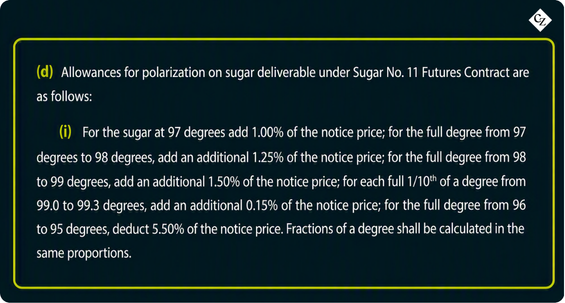
Source: ICE FUTURES US, INC.
ICUMSA
ICUMSA is a measure of sugar colour. The lower the number, the less colour the sugar has and the whiter it appears. The No. 5 white sugar benchmark requires a maximum colour of 45 ICUMSA units; sugar exceeding this limit cannot be delivered against the futures contract. Other white sugars may have higher ICUMSA values, while raw sugar values can range from the hundreds to several thousand.
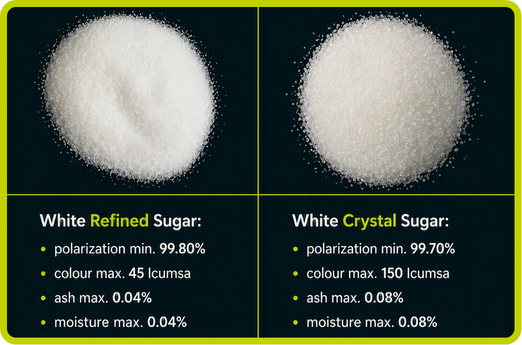
Food and beverage manufacturers commonly set strict ICUMSA limits to ensure the sugar does not affect the colour or quality of their products.
Brown Sugar
Food-grade brown sugar is different from the commercial raw sugar traded as refinery feedstock. Its colour, flavour and moisture come from molasses, which may be retained during processing or added to refined white sugar. Brown sugar is produced for use in food, while commercial raw sugar is normally refined before being used in food and drink products.