Insight Focus
Trade routes are changing as supply chains adapt to disruption. Saudi Arabia is investing in resilience, while Russia and Ukraine seek alternative grain routes and Argentina opens new markets as production grows. Meanwhile, changing UK-EU trade arrangements and Brazil’s election could further reshape agricultural trade flows.
Global supply chains have faced widespread disruption in 2026, from conflict in the Middle East and disruption around the Strait of Hormuz to continued instability in the Black Sea. These pressures have affected energy and fertiliser markets, increased transport costs and forced businesses to rethink established shipping routes.
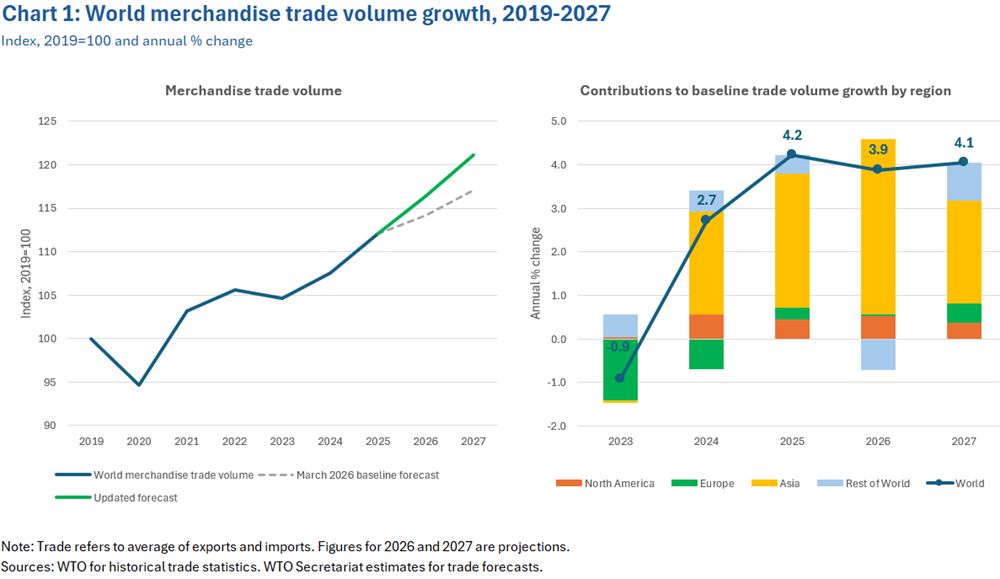
However, according to the WTO, global trade has proved more resilient than expected. Supply chains have adapted by finding alternative suppliers and rerouting trade through different ports and corridors, while strong investment in AI-related infrastructure has also supported goods trade. The WTO now expects global merchandise trade volumes to grow by 3.9% in 2026, up from its previous forecast of 1.9%, before increasing by a further 4.1% in 2027.
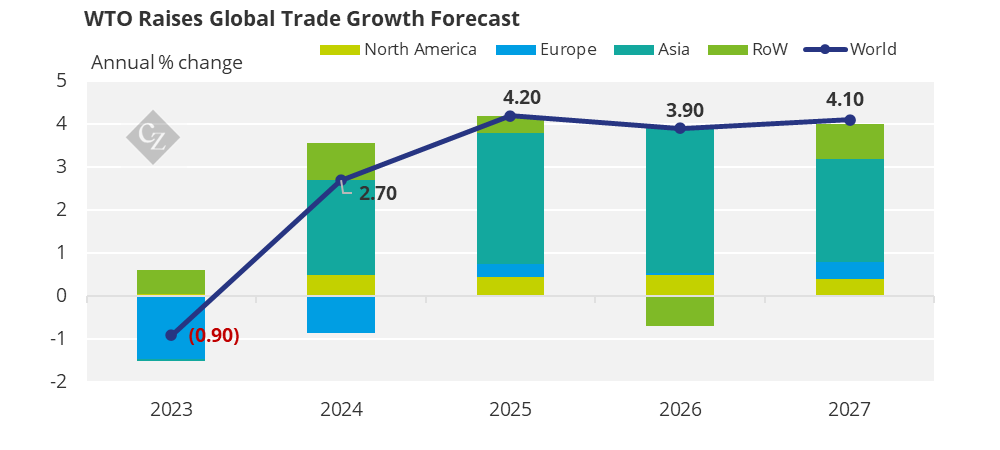
Source: WTO
This resilience has been evident in October. Trade continues despite disruption, but how and where agricultural goods move is changing, as countries develop alternative trade routes, open new markets and invest in more resilient supply chains.
Russia and Ukraine Seek New Grain Trade Routes
The resilience of agricultural trade increasingly depends on supply chains adapting when established routes become unreliable. This is particularly clear around the Black Sea, where Russia and Ukraine are developing different alternatives to keep grain moving.
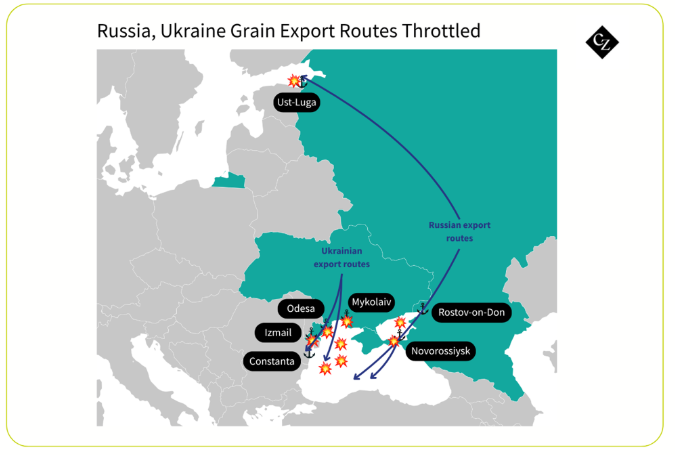
Russia has redirected grain away from the Azov-Black Sea basin towards Baltic and Caspian routes. Baltic ports accounted for 65% of Russian grain exports in September, while Latvia imported 431,700 tonnes between July and October. Iran has also become an important market, importing 1.716 million tonnes.
Rather than trade stopping, Russia has adapted by changing ports, routes and buyers. However, its growing reliance on the Baltic could prove vulnerable. Despite Latvia currently importing Russian grain, the Baltic states are pushing for an EU ban on Russian grain exports through the bloc, while Estonia has already banned Russian grain transit through its territory.
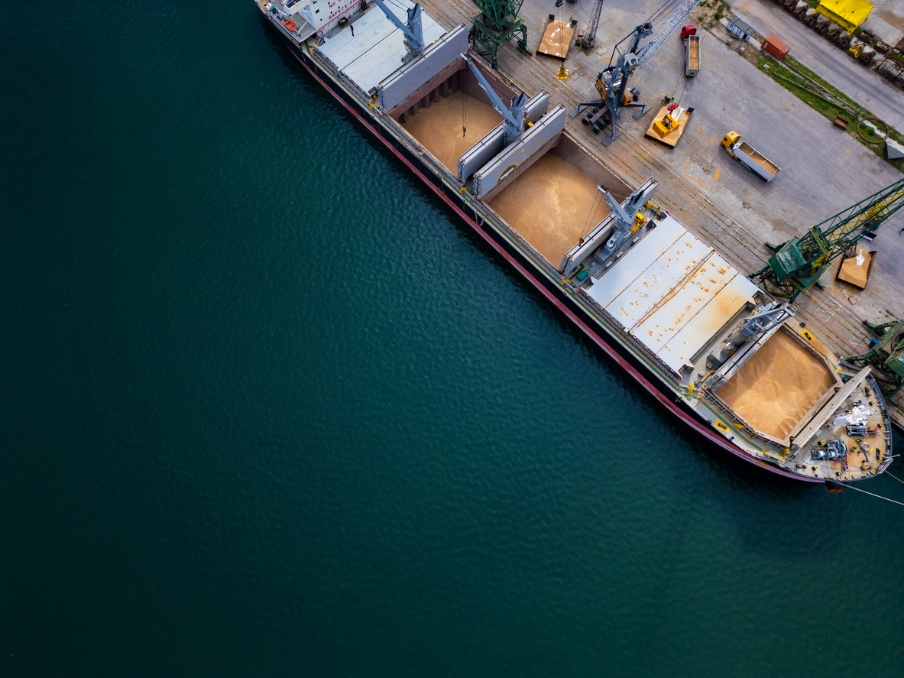
Ukraine, meanwhile, is trying to restore reliable maritime access while strengthening alternatives on land. It is in talks with India, Türkiye and Egypt over an arrangement where ships sailing under these countries’ flags could carry food from Ukrainian and Russian Black Sea ports. Russia has not yet agreed to the proposal.
Ukraine is also seeking renewed EU support for its solidarity lanes, providing alternative export routes through European railways and ports. With exports currently at 38% of normal volumes, Ukraine is pursuing both maritime and overland alternatives to keep agricultural products moving.
Saudi Arabia Invests to Strengthen Supply-Chain Resilience
The growing need for more resilient supply chains is also driving investment in domestic production and infrastructure. A key example of this is occurring in Saudi Arabia, a country at the centre of recent disruption in the Red Sea and Strait of Hormuz. With its food supply partly dependent on imports and maritime trade, the Kingdom is investing across domestic production, storage and transport to reduce its exposure to future disruption.
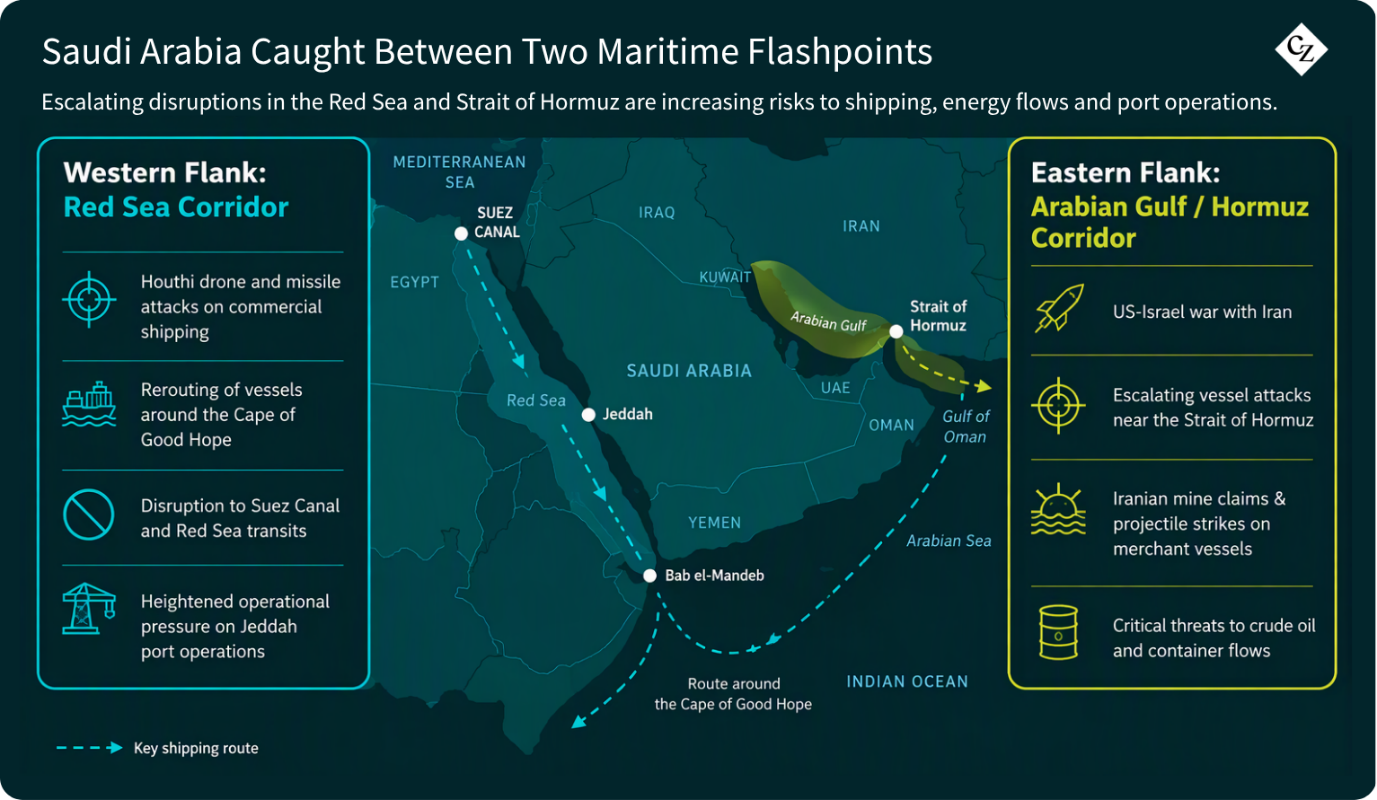
Saudi Arabia is already strengthening local food production alongside refrigerated storage, warehousing and distribution networks. Cold-chain infrastructure connects production centres such as Al-Kharj with customers across the Kingdom, while diversified sourcing and strategic inventory management are intended to maintain supplies when individual routes or suppliers are disrupted.
Transport infrastructure is another focus. Saudi Arabia currently lacks a freight rail connection between its Red Sea and Gulf coasts, leaving goods heavily reliant on shipping and road transport. The planned USD 26.6 billion Saudi Landbridge would create roughly 1,500km of track linking Jeddah, Riyadh, Dammam and Jubail. First proposed in 2004, the project has returned as a priority, with its first major construction package attracting bids and completion targeted for 2034.
Investment is also moving forward at Jeddah Islamic Port, Saudi Arabia’s main Red Sea gateway. CMA CGM and Red Sea Gateway Terminal have signed agreements to jointly develop and operate a new Terminal 4, backed by an initial USD 434 million investment. The project will add deep-water berths and new container-handling infrastructure.
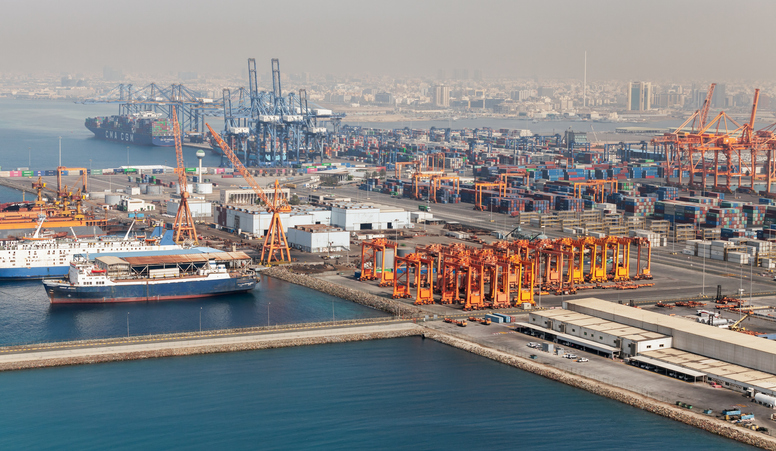
Jeddah Islamic Seaport, Saudi Arabia
The investments show how Saudi Arabia is adapting its supply chain to reduce its exposure to future disruption.
Brazil Election Puts Trade Relations in Focus
Luiz Inácio Lula da Silva has been re-elected president of Brazil for a fourth term, winning 51.79% of the vote. The result could have significant implications for agricultural trade, particularly Brazil’s relationships with China and the US.
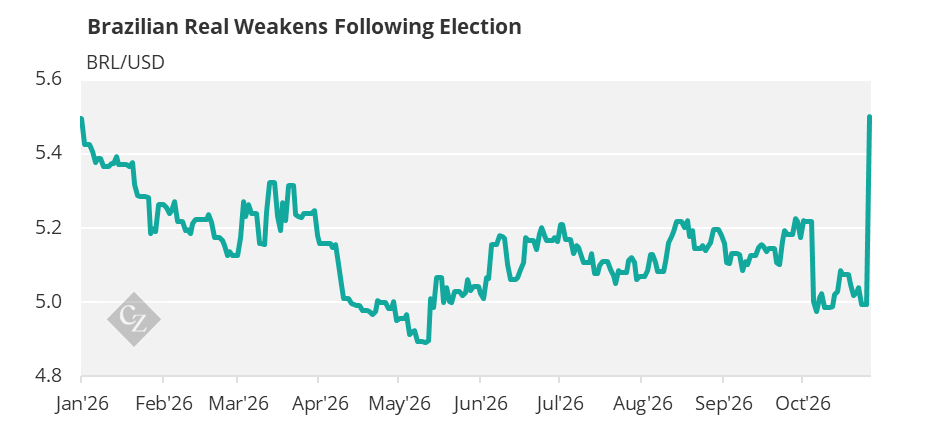
The immediate market reaction was a weaker Brazilian real, improving the competitiveness of Brazilian exports because farmers receive more local currency for crops sold internationally. Soybean, sugar and coffee prices all fell following the election, reflecting expectations that the weaker currency could encourage exports from one of the world’s largest agricultural suppliers.
China will remain particularly important. Brazil supplied nearly 80% of Chinese soybean imports during the first nine months of 2026, and Lula’s pragmatic approach towards Beijing could strengthen these ties further. Chinese investment in Brazilian port infrastructure, including terminals at Santos, is also supporting trade between the two countries. Closer Brazil-China relations could further strengthen Brazil’s position in the Chinese soybean market, potentially putting greater pressure on US suppliers.
Relations with the US are less certain. The Trump administration imposed a 25% tariff on Brazil in July, while Lula has maintained closer relations with China. However, Lula has generally sought to engage with competing powers rather than choose between them. For agricultural trade, his fourth term could therefore see Brazil continue strengthening its position in China while attempting to keep trade channels with the US open.
Argentina Seeks New Markets for Growing Supply
Elsewhere in South America, Argentina is looking for new opportunities to expand its agricultural exports as production grows. Its 2025/26 soybean crop is projected at 50 million tonnes, while sunflower seed production is expected to reach a record 7 million tonnes. Argentine soybean oil exports are also forecast at around 6.15 million tonnes.
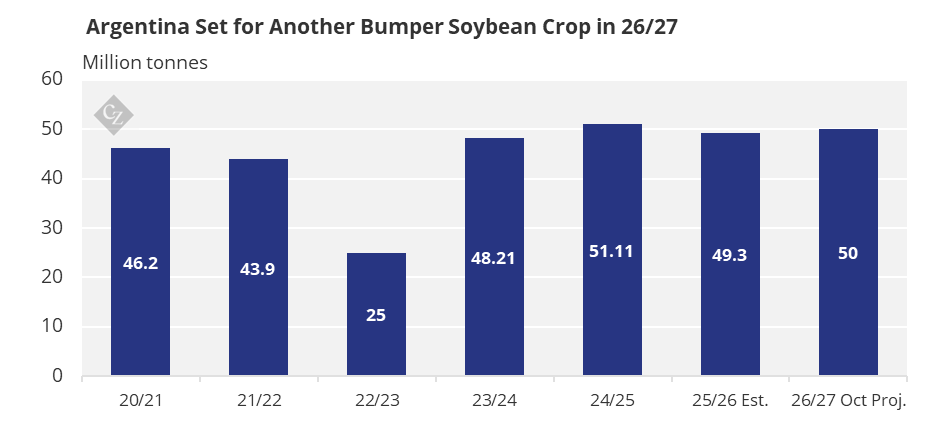
Source: USDA
India provides one major opportunity. It imports more than half of its vegetable oil requirements, and Argentina has become its largest edible oil supplier, shipping 3.059 million tonnes during the first 10 months of 2025/26. Argentina is already India’s largest soybean oil supplier and second-largest sunflower oil supplier, while lower Indian import duties on edible oils could create room for further growth.
Europe could provide another opportunity, partly at Brazil’s expense. From December 30, 2026, new EU deforestation rules will require importers to demonstrate that products are not linked to deforested land. Brazil currently supplies around half of EU soymeal imports, but industry estimates suggest traceability requirements could put up to 4 million tonnes of Brazilian soymeal trade at risk. Argentina’s existing traceability system and shorter distance between its main soy-producing regions and export terminals leave it better placed to comply.
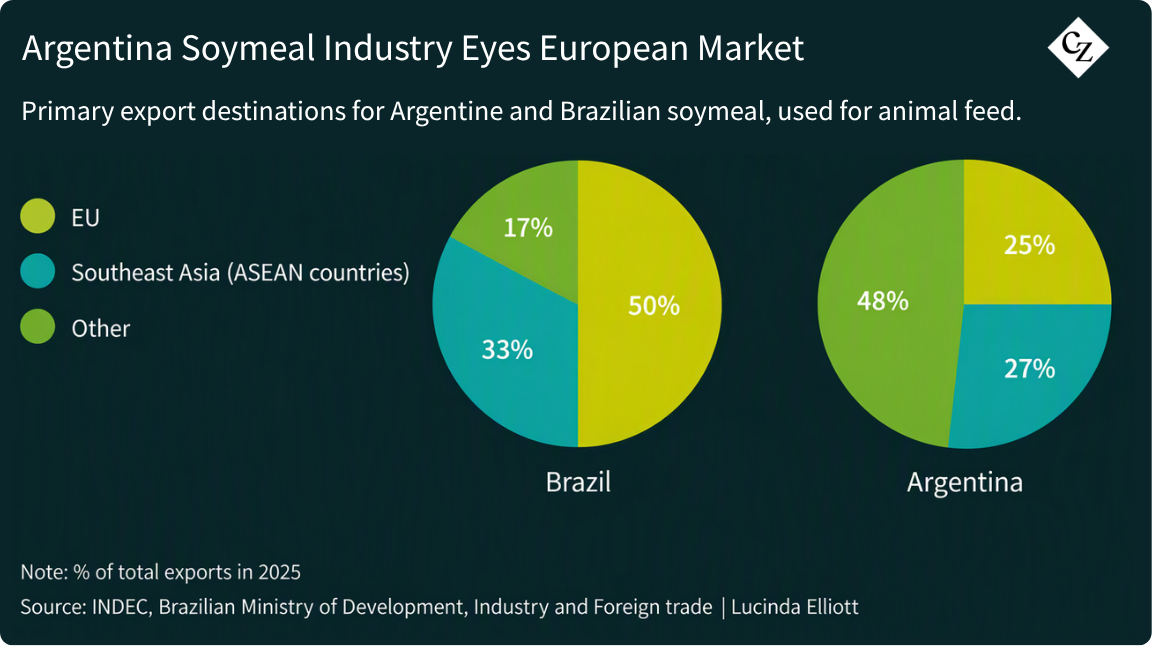
Argentina, already the world’s largest soymeal exporter at around 27 million tonnes last year, could therefore benefit from growing Indian edible oil demand and potential shifts in European soymeal sourcing, creating new outlets as its agricultural production expands.
UK-EU Deal Could Ease Agricultural Trade Barriers
The UK government is in the final stages of negotiating a sanitary and phytosanitary (SPS) agreement with the EU, designed to make trade in food, plants and animal products cheaper and easier. The government estimates the agreement could increase UK exports of major primary agricultural commodities to the EU by around 16%.
The deal would aim to reduce barriers introduced since new UK-EU trading arrangements took effect in 2021, including additional paperwork, health certification and border inspections.

The impact has been particularly significant for agriculture: British food and drink export volumes to the EU have fallen by more than a third compared with 2019, with sugar exports down 70%, poultry 53% and eggs and egg products 65% in the comparable periods reported for 2026. The EU nevertheless remains the UK’s largest agri-food trading partner, accounting for 68% of UK agri-food exports last year.
The UK intends for the new SPS agreement to take effect in mid-2027, although the final details remain under negotiation.
UK Dairy Targets Asia and Mexico
British dairy exporters are increasingly looking to overseas markets for growth. UK dairy exports reached GBP 973 million in the first half of 2026, as the industry looks to expand its presence in overseas markets. As part of a recent trade mission, the Agriculture and Horticulture Development Board (AHDB) brought buyers from Malaysia, Thailand, the Philippines, Vietnam and Mexico together with 23 UK dairy exporters, showcasing products including cheese, butter, yoghurt and ice cream. Asia has been identified as a key growth market, with UK dairy exports to Asia and Oceania worth GBP 79 million during the first six months of the year.
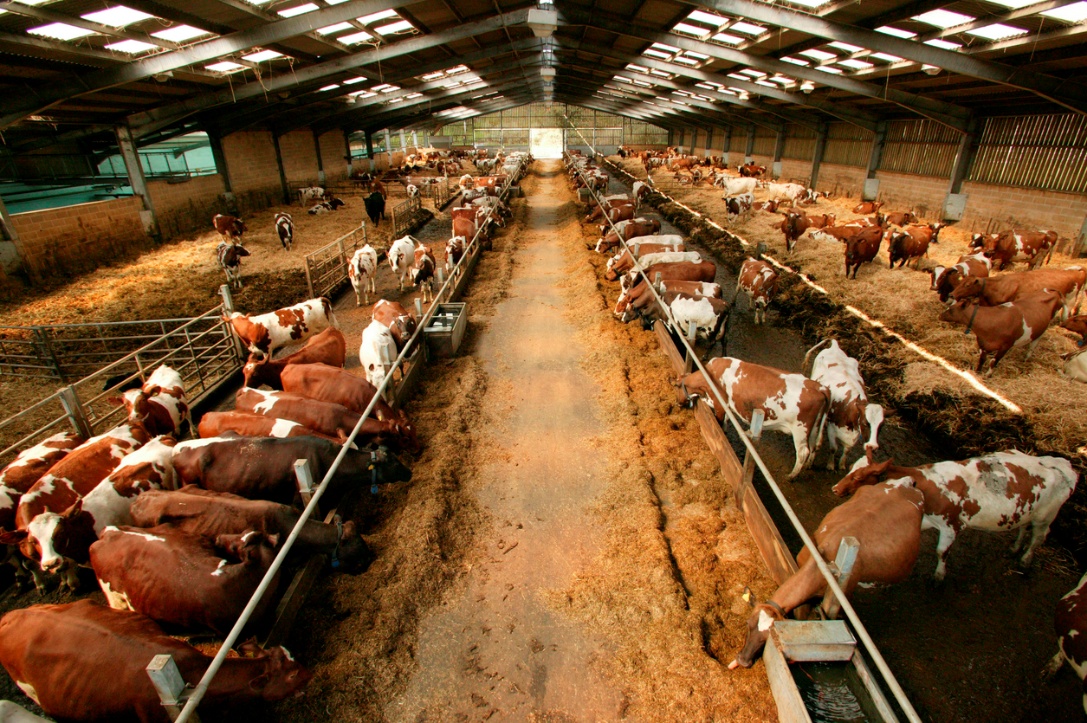
Dairy Farm, UK
Mexico is also emerging as a new opportunity following the UK’s accession to the CPTPP, which has improved market access for British dairy products. The first shipment of British cheese to Mexico under the agreement took place in October, as the industry looks to establish new commercial relationships and diversify overseas demand.
The push comes as UK milk production has been under pressure. Milk deliveries fell 1.1% year-on-year in Q2, contributing to lower dairy production.
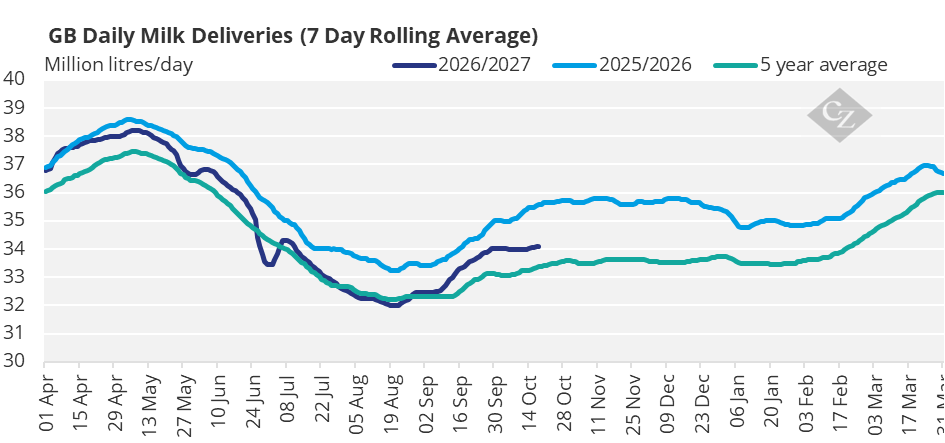
Source: AHDB
Despite this, cheese exports reached a record high for the quarter, rising 15.3% year-on-year, with increased shipments to markets including China as well as destinations across Europe, the Middle East and Africa.