Insight Focus
Saudi port investment signals long-term confidence. CMA CGM and Red Sea Gateway Terminal will invest USD 434 million to expand Jeddah Islamic Port with infrastructure designed for the world’s largest container ships. The commitment advances Saudi Arabia’s logistics ambitions despite severe disruption across the Red Sea and Strait of Hormuz.
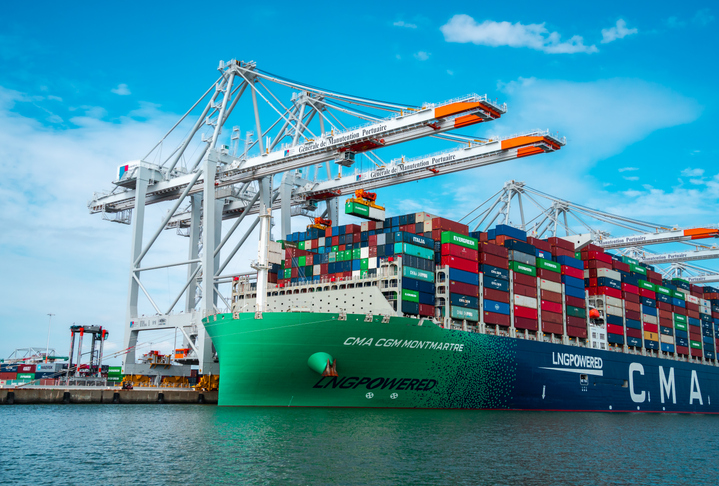
In a landmark move that underlines long-term commercial confidence in Red Sea logistics, French shipping giant CMA CGM Group and Saudi Arabia’s Red Sea Gateway Terminal (RSGT) have signed agreements to jointly develop and operate the new Terminal 4 at Jeddah Islamic Port.
Supported by the Saudi Ports Authority (Mawani), the three partners will proceed with an initial mega-investment of USD 434 million (SAR 1.6 billion), representing one of the largest foreign direct investment commitments in the history of Saudi Arabia’s maritime sector.
This move is another step toward Saudi Arabia’s Vision 2030 ambitions and strengthens CMA CGM’s global terminal portfolio, particularly in the Red Sea and the Middle East. It is especially interesting that this investment decision comes amid continued maritime volatility across Middle Eastern chokepoints, where the dual pressures of the Red Sea crisis and the escalating naval conflict in the Strait of Hormuz continue to place global supply chains under strain.
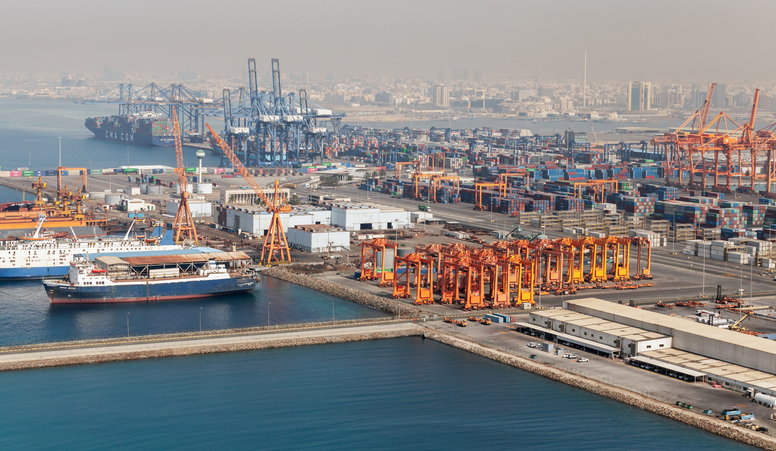
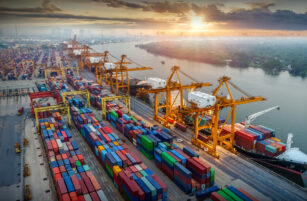
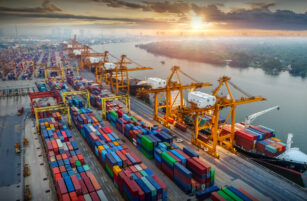
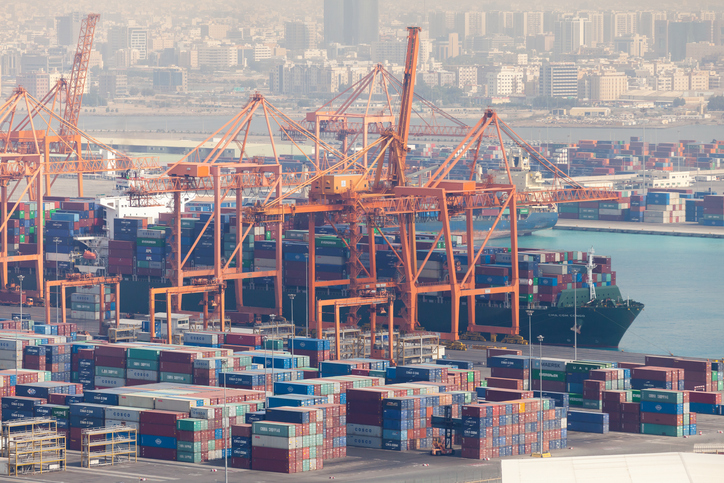
Jeddah Islamic Seaport, Saudi Arabia
New Terminal to Expand Capacity at Saudi Arabia’s Primary Gateway
The joint venture between RSGT and CMA CGM will inject new infrastructure into Jeddah Islamic Port, significantly expanding the facility’s operational capabilities.
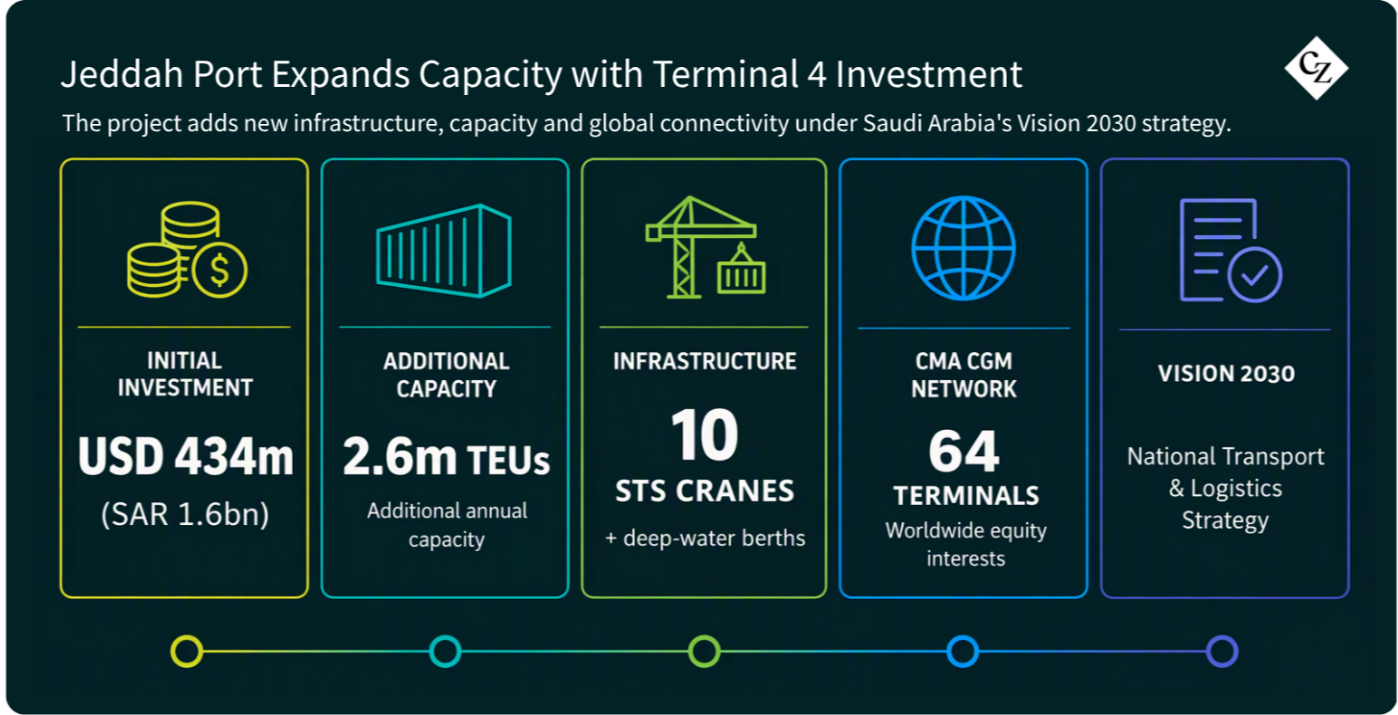
The expansion focuses heavily on enabling Jeddah to handle next-generation mega-container ships. The construction of advanced deep-water berths is designed specifically to accommodate the world’s largest ultra-large container vessels (ULCVs), while the installation of 10 STS cranes alongside automated terminal equipment aims to maximize berth productivity and turnaround efficiency.
“As the global trade landscape continues to evolve and infrastructure needs to expand and modernize, terminals are becoming increasingly strategic assets, essential to securing our operations, strengthening major trade corridors and providing our customers with greater reliability,” commented Rodolphe Saadé, Chairman and CEO of the CMA CGM Group.
In a striking shipping paradox, CMA CGM is committing nearly half a billion dollars to build a mega-container hub in the Red Sea, a primary transit corridor where global ocean carriers, including CMA CGM itself, have spent months diverting vessels around Africa and navigating severe security risks.
Even amid ongoing geopolitical crises, the French giant’s investment decision in Saudi Arabia’s Jeddah port signals confidence in the country’s maritime vision, despite the surrounding waters remaining among the world’s most dangerous and volatile trade routes.
Saudi Arabia at the Centre of Regional Shipping Disruptions
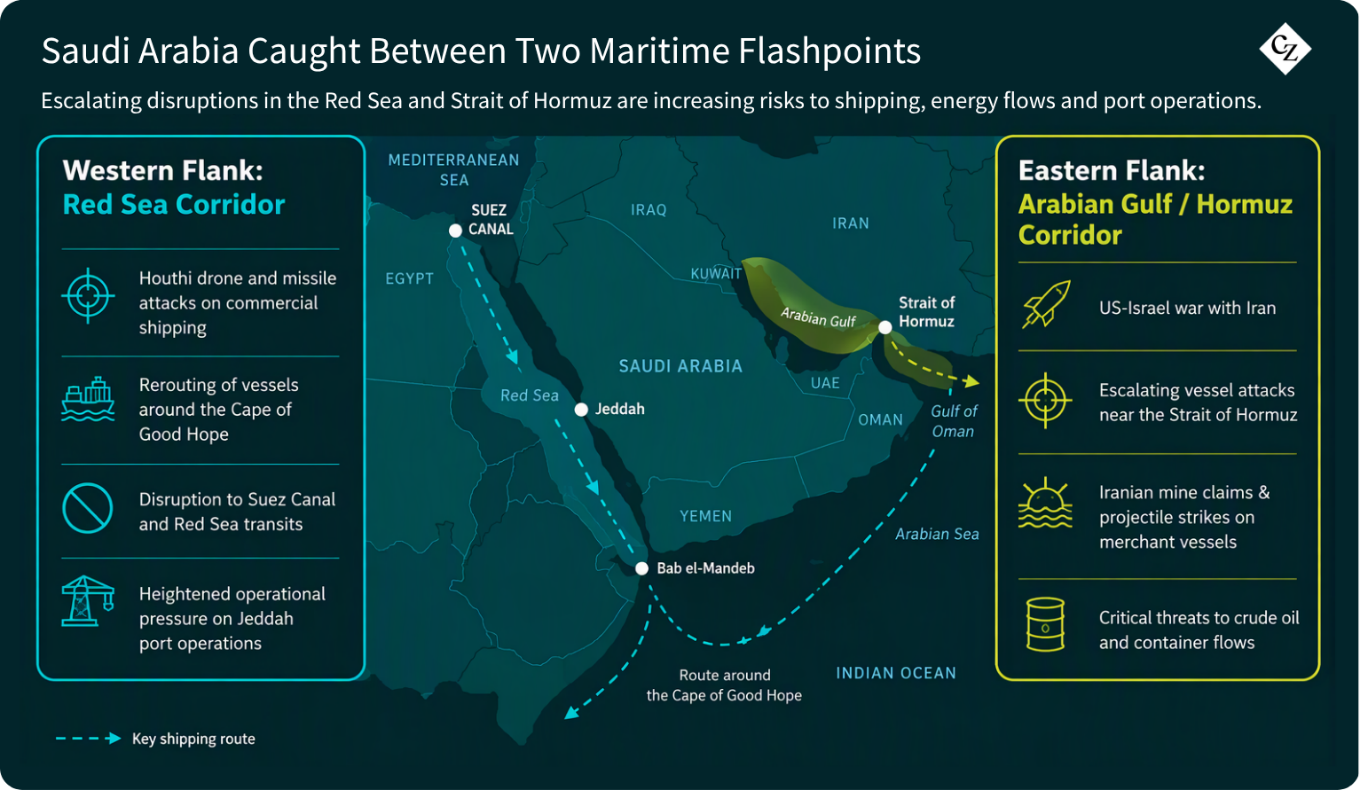
Although CMA CGM’s investment signals confidence in Saudi Arabia’s long-term transformation into a pivotal hub connecting Asia, Europe, and Africa, the Kingdom’s unique geography has placed it at the epicentre of the latest regional maritime disruptions.
With coastlines along both the Red Sea and the Arabian Gulf, Saudi Arabia has been directly exposed to Houthi attacks in the Red Sea, as well as threats, bombings, and the closure of the Strait of Hormuz amid the war between the US and Iran.
This new container terminal could signal that major industry players do not expect the current shipping disruptions to last forever and continue to look at the bigger picture, recognizing the long-term potential of key locations, regions and infrastructure despite the highly unstable current situation.
Escalating Strikes Deepen Risks in the Strait of Hormuz
Security in the adjacent Strait of Hormuz has deteriorated into its most volatile phase since the outbreak of the US-Israel war with Iran. Commercial shipping transiting the strategic chokepoint, which historically accounted for roughly 20% of global petroleum and natural gas movements, is facing an unprecedented surge in targeted strikes.
According to data monitored by the UK Maritime Trade Operations (UKMTO), October has recorded the highest rate of ship attacks since hostilities commenced. In the two weeks leading up to mid-October alone, at least 24 commercial vessels were struck, including crude oil tankers, refined product carriers and container ships. The pace of incidents accelerated during 5-11 October, when weekly reported attacks reached their highest level of the conflict, exceeding the total recorded the previous week.
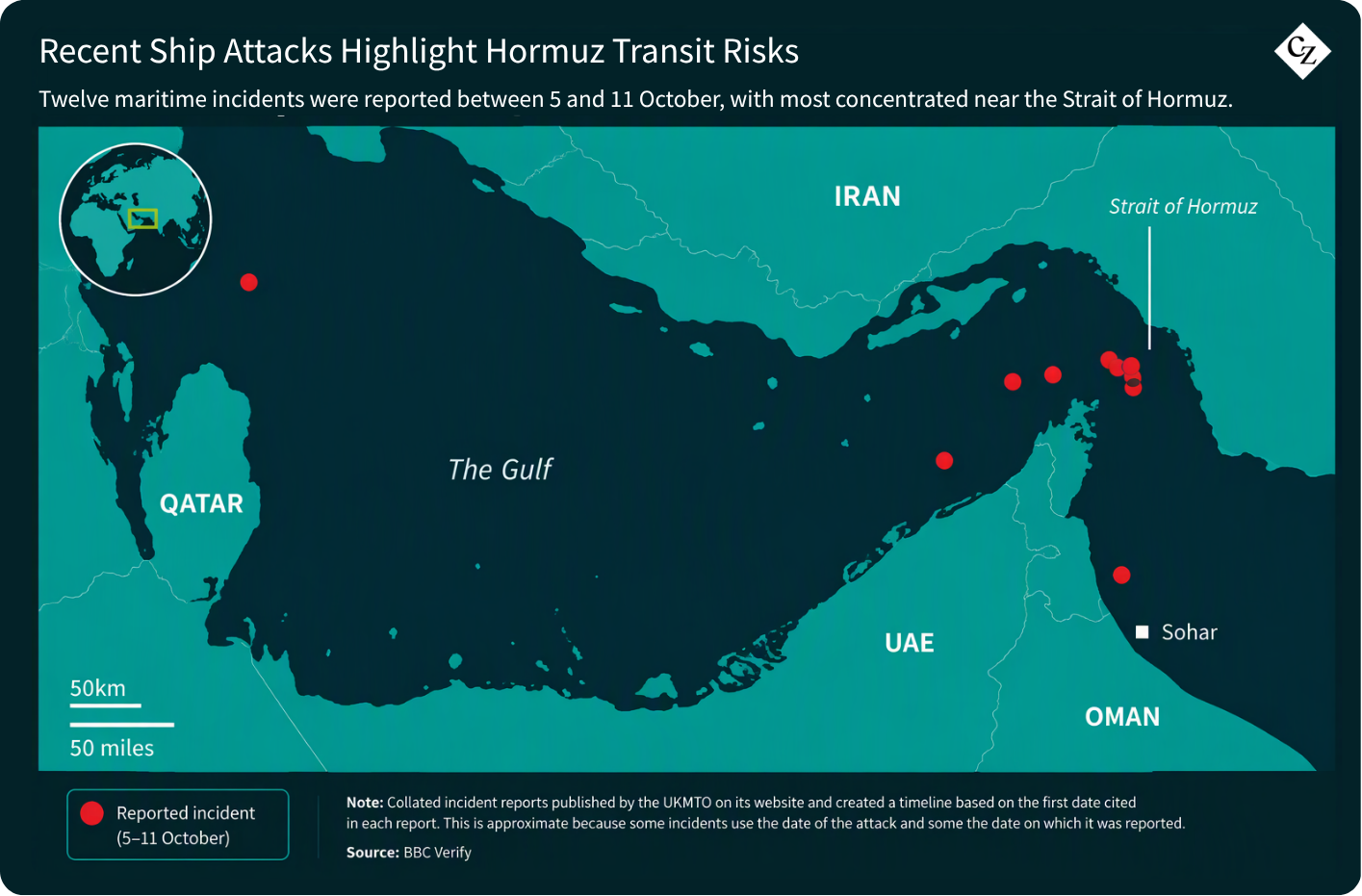
The Singapore-flagged container ship GFS Pride (carrying 2,500 containers) sank after sustaining severe attack damage. Hours later, the Antigua and Barbuda-flagged container vessel Cape Dao sank near the strait after being struck by a projectile.
Iranian state broadcasts and Islamic Revolutionary Guard Corps (IRGC) statements claimed that GFS Pride sank after striking a naval mine during an “unauthorized passage.” Conversely, US Central Command (CENTCOM) and UKMTO stated that the vessel was struck by an IRGC projectile, reporting that CENTCOM forces had cleared the strait of naval mines.
Following the destruction of much of its radar infrastructure by US forces, the IRGC appears to have adapted its tactics. US military officials confirmed that Iran is now deploying unarmed spotters in small wooden dhows to relay coordinates to shore-based missile batteries, while utilising rocket-propelled grenades (RPGs) launched from fast attack boats.
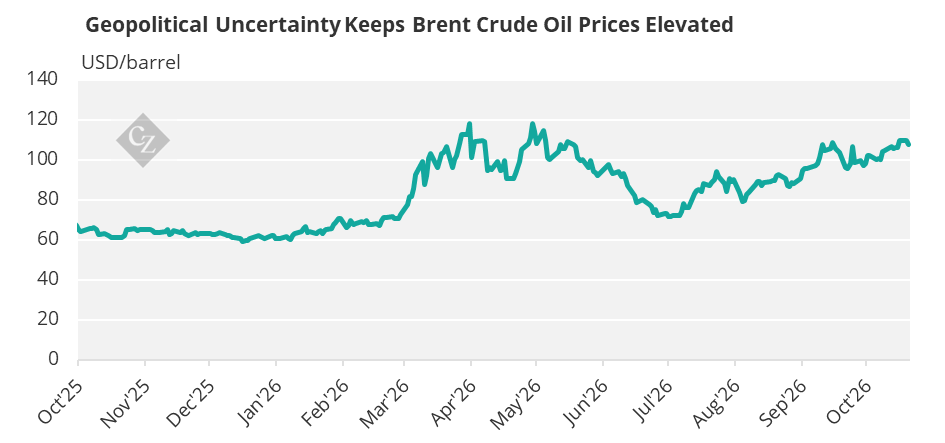
The intensification of strikes could reflect an intentional effort by Tehran to restrict energy flows and keep global crude oil prices elevated, with Brent crude reaching USD 110/barrel and directly affecting political calculations in Washington ahead of the upcoming US midterm elections.
While CENTCOM Commander Gen. Brad Cooper asserted that the US and its regional partners maintain firm control over the waterway, citing 400 ship transits and 100 million barrels of oil moved in a single week, the IRGC has increasingly reported that vessels are striking mines across the strategic waterway, which it says remains unsafe for ships that do not coordinate with Iran’s Persian Gulf Strait Authority.
This power struggle over control of the waterway continues to plunge the shipping industry into greater chaos and operational strain, with few positive signs on the horizon in the short term.