Insight Focus
US cash sugar trading slowed as harvests neared completion. Prices remained elevated despite additional harvest supply, supported by the USDA’s lower 2026-27 production outlook and tighter stocks-to-use ratio. Meanwhile, declining non-reporter deliveries and high user inventories pointed to softer near-term demand.
This update is from Sosland Publishing’s Sweetener Report. For more information and subscription details, CLICK HERE.
Cash Sugar Trading Slows as Harvests Near Completion
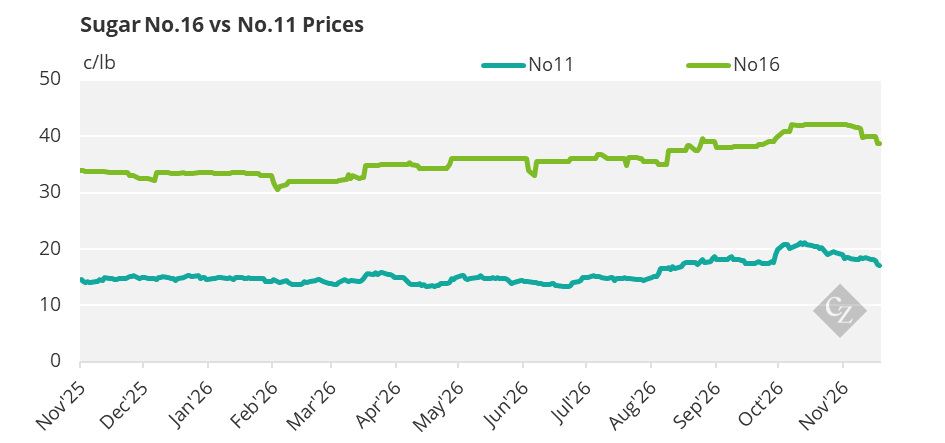
Activity in the cash sugar market quieted this week. Trading was limited, as most users had already secured coverage for the coming year, and some processors remained out of the market. Those still seeking coverage appeared content to remain on the sidelines, hoping harvest pressure and softer demand signals might draw prices lower from elevated levels. Beet sugar prices averaged roughly 35% above year-ago levels, while cane sugar prices were up about 28%. Prices were unchanged week over week.
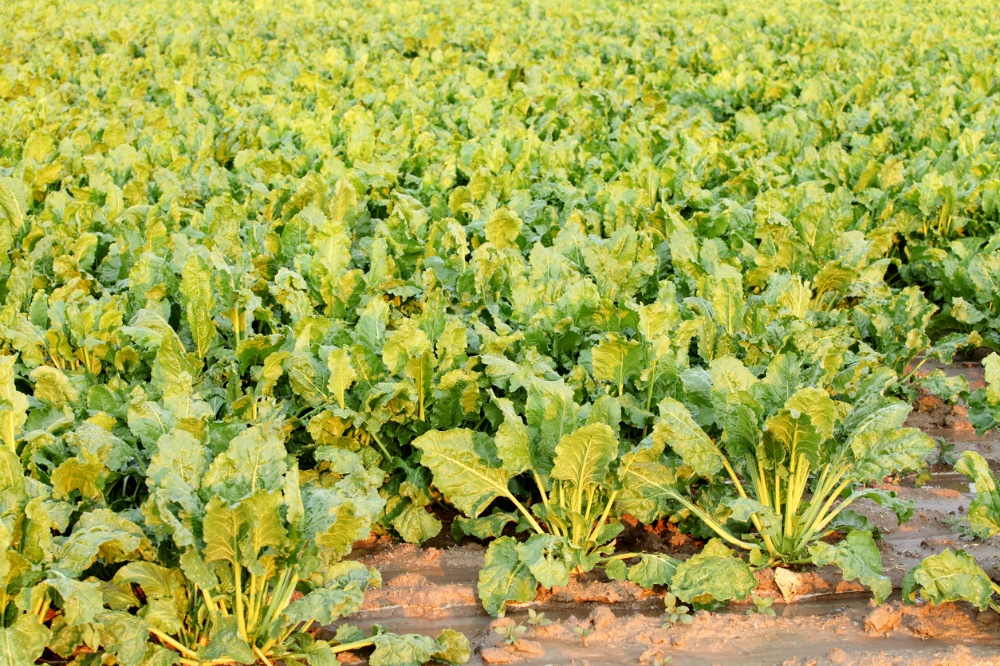
The domestic sugar beet harvest was complete or nearing completion. Harvest progress in Michigan, at 75% complete as of November 15, continued to trail both other sugar beet-producing states and its historical pace, as an extended period of warm, dry weather encouraged processors to leave beets in the ground for as long as possible to maximize sugar accumulation. The unusually mild conditions also reduced the attractiveness of outdoor storage, since higher-than-normal temperatures can increase the risk of deterioration and sugar loss.
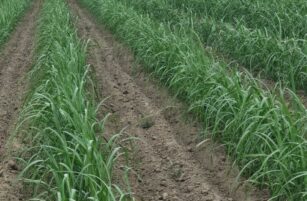
The sugar cane harvest in Louisiana maintained an accelerated pace, with 49% of the crop collected by November 15, ahead of the five-year average of 47% for the date.
Tighter Supply Outlook Supports Prices Despite Softer Demand
Despite the approaching end of harvest, pressure on prices from the additional supply had yet to materialise.
Sellers found justification for maintaining premiums after the USDA, in its November 10 WASDE report, reduced its outlook for total 2026-27 US sugar production to the lowest level in seven years. In the same report, the USDA also reduced 2026-27 US sugar deliveries for human consumption, which brought the stocks-to-use ratio to 13.9%, down from 14.9% in October but still within the USDA’s preferred range of 13.5% to 15.5%.
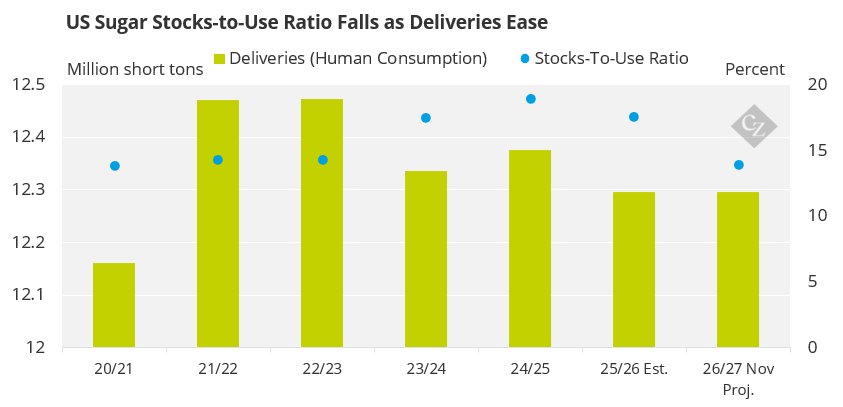
Source: USDA
Trade sources have indicated that deliveries, while beginning to decline during the winter period, have been strong. Buyers suggested the metric may reflect a degree of artificial demand, as users this year have been compelled to accept contracted sugar rather than being allowed to roll volumes forward, or risk losing their supply altogether.
One buyer said accepting the sugar and paying to store it was a cheaper option than losing it and having to pay current prices for fill-in needs. But the situation seemed to be setting up the market to repeat a pattern seen earlier this year, as users focused on drawing down saturated inventories, which reduced their near-term demand for additional sugar.
Another potential indicator of softer demand was the latest data showing lower US non-reporter sugar deliveries. While this category can include sugar originating from supplemental imports, it more broadly reflects deliveries to users outside the USDA’s reporting system. The USDA said 2025-26 non-reporter deliveries in the US were down 44% from 2024-25 and at their lowest level in nearly 20 years.
Coverage for 2027 corn sweetener needs was largely complete, with only a handful of contracts left to finalise.