Insight Focus
Hormuz reopening has been reversed amid renewed geopolitical tensions. Conflicting US-Iran signals have left the Strait partially open, with limited traffic continuing via tightly controlled northern and southern routes amid ongoing security risks and depressed transit volumes. Severe capacity losses have driven freight rates sharply higher, with recovery expected to take months despite falling oil prices and ongoing diplomatic efforts.
As the shipping world grapples with shifting geopolitical dynamics, the focus of global logistics has intensified around the Strait of Hormuz. Following a highly volatile period of direct escalation that has isolated the Persian Gulf, the world’s most critical maritime chokepoint has entered a confusing phase.
A recently signed Memorandum of Understanding (MoU) between the US and Iran briefly promised an end to hostilities, yet conflicting geopolitical declarations and tactical manoeuvres have left ship owners in deep uncertainty.
For the container shipping industry, the evolving crisis introduces a continuing severe wave of capacity constraints, spiralling freight rates, and a long road toward full operational recovery.
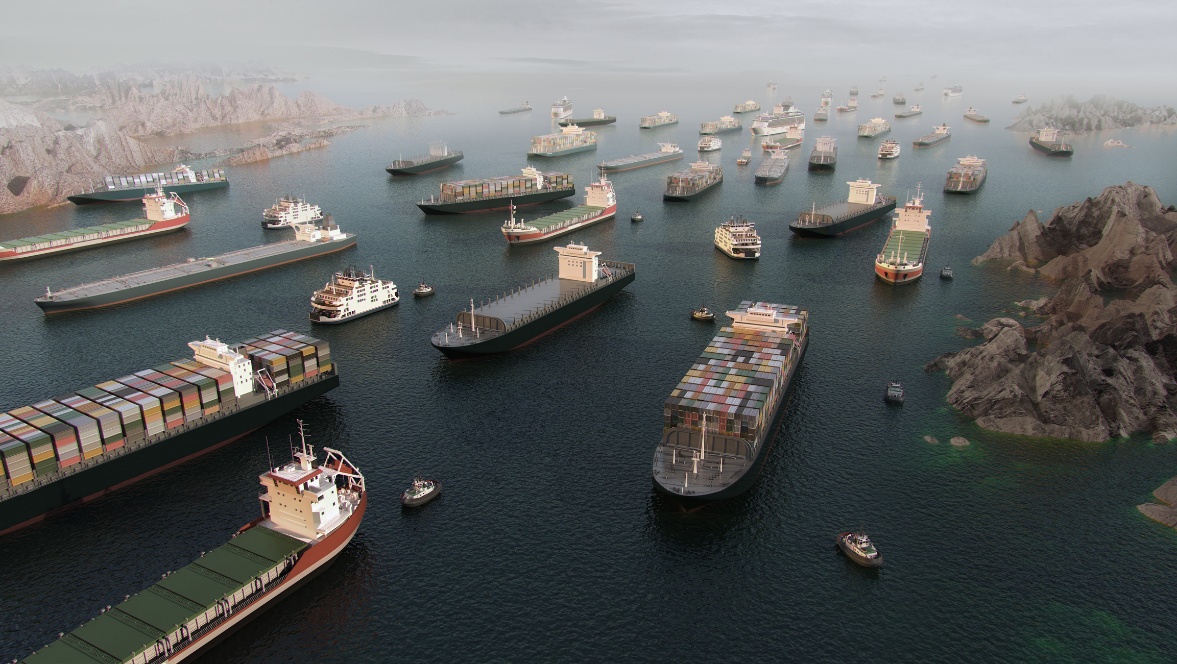
Uncertainty Clouds Partial Reopening of Hormuz
The situation in the Strait of Hormuz is defined by structural confusion. On June 18, 2026, following the signing of the US-Iran interim agreement, it was announced that the Strait would reopen to shipping traffic. However, just two days later, Tehran declared the waterway closed once again, citing Israeli bombing in Lebanon as a direct violation of the regional ceasefire.
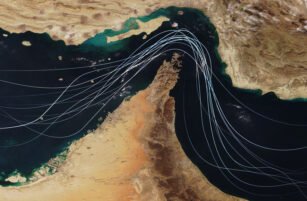
Despite Iran’s official pronouncements and warnings to shipping stakeholders, a total lockdown has not materialised on the water, and the latest warnings have notably not been accompanied by physical attacks on merchant vessels. Automated Identification System (AIS) tracking data reveals that commercial traffic is continuing to flow through two distinct operational routes:
-
The Southern Route: Passing through Omani territorial waters, this lane is actively monitored by Western forces. The US military has stated that the Strait remains open here, and forces are actively providing routing guidance to commercial vessels.
-
The Northern Route: Passing through Iranian territorial waters south of Larak Island, traffic is moving under a strict permit system enforced by Iranian authorities. AIS data from maritime intelligence firms like Pole Star Global has captured several transits moving eastbound through these Iranian waters.
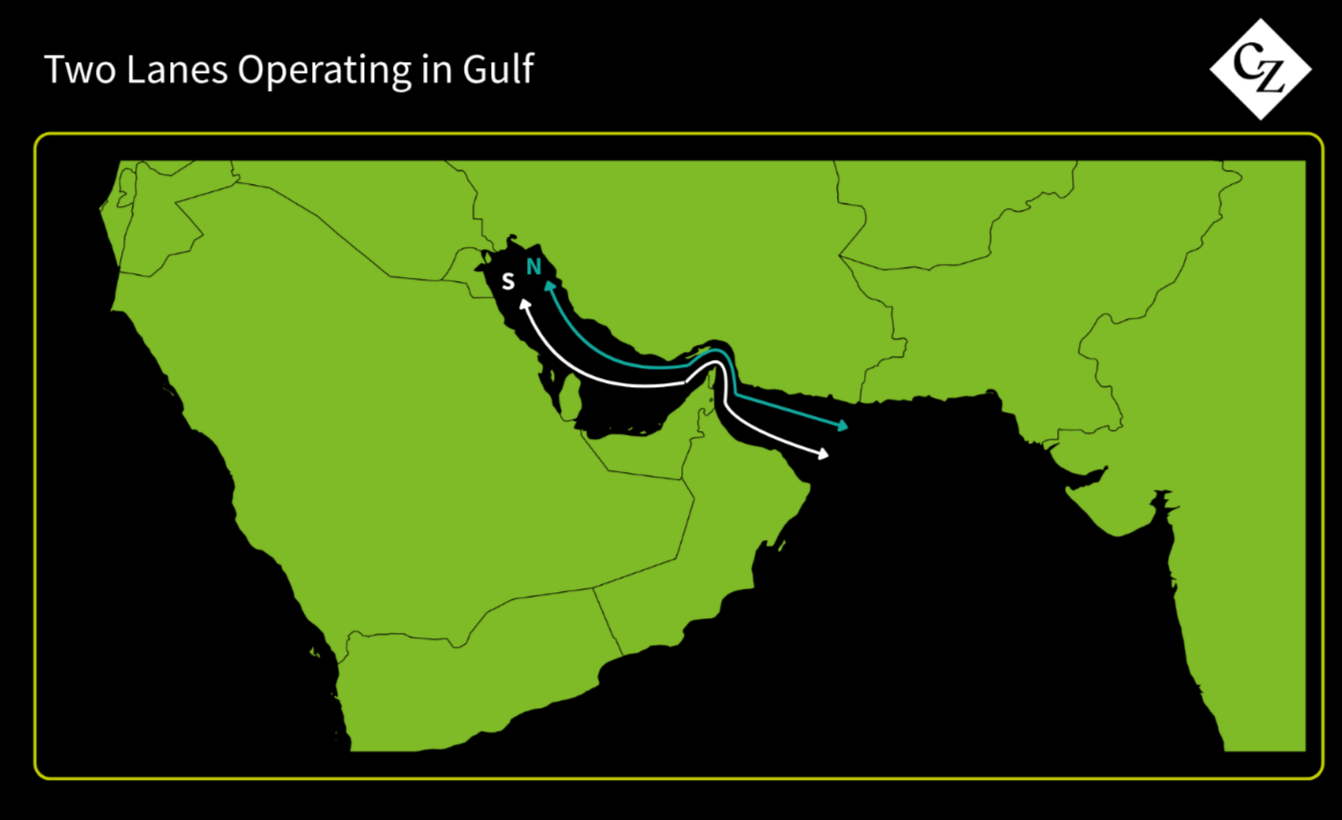
While traffic is moving, total transit volumes remain sharply depressed compared to pre-conflict baselines. According to security assessments from BIMCO, the central part of the Strait remains heavily mined and entirely unnavigable, forcing all current traffic to compress into narrow inshore traffic zones close to the coasts of Oman and Iran. This creates significant risks of congestion and navigational incidents.
The Diplomatic Chessboard
The current volatility on the water directly reflects the fragile state of international diplomacy. While the core US-Iran interim agreement has been signed by both parties, establishing its practical implementation has proven highly problematic.
Following an initial round of negotiations in Switzerland, mediating nations Pakistan and Qatar reported that progress had been made, notably through the formation of a direct communication line between the parties to avoid miscommunication and secure safe passage for commercial vessels. However, the broader implementation of the deal has run into immediate geopolitical roadblocks. The Iranian government, via the Mehr News Agency, has insisted on a comprehensive ceasefire in Lebanon as a non-negotiable prerequisite for continuing nuclear and bilateral talks with the US.
Furthermore, international shipping bodies like BIMCO emphasise that the signed MoU lacks critical operational details. The agreement raises numerous unanswered questions regarding safe transit routes, traffic separation measures, emergency response protocols, and the specific sequencing required for ships to safely exit the Gulf.
BIMCO expects an international coordination body to be established shortly to facilitate transits. To avoid risks associated with an uncoordinated mass transit through the narrow inshore traffic zones, BIMCO encourages ship owners to consider waiting for further clarification and direction from this international body before commencing transits.
Spiralling Freight Rates Shock the Market
The multi-month isolation of the Persian Gulf has caused severe ripple effects across the global container shipping network, creating capacity deficits that have driven ocean freight rates to historic highs.
Leading global container freight benchmarks, including the Drewry World Container Index (WCI), the Shanghai Containerized Freight Index (SCFI), the Ningbo Containerized Freight Index (NCFI) and the China Containerized Freight Index (CCFI), have all recorded extraordinary spikes.
Indicatively, the Drewry World Container Index (WCI) surged 12% in a single week to hit an 18-month high of USD 3,969/FEU, driven entirely by compounding demand on Transpacific and Asia-to-Europe lanes.
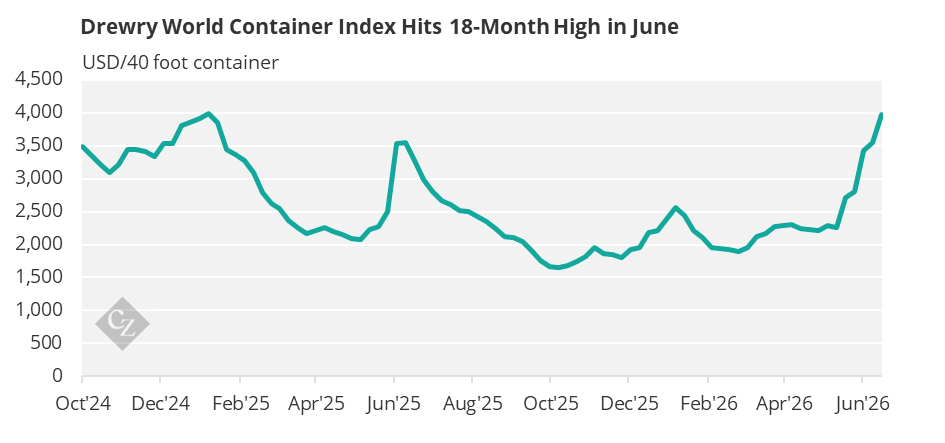
Source: Drewry
Data from ocean freight intelligence platform Xeneta reveals the staggering extent of the rate escalation since the conflict escalated at the end of February.
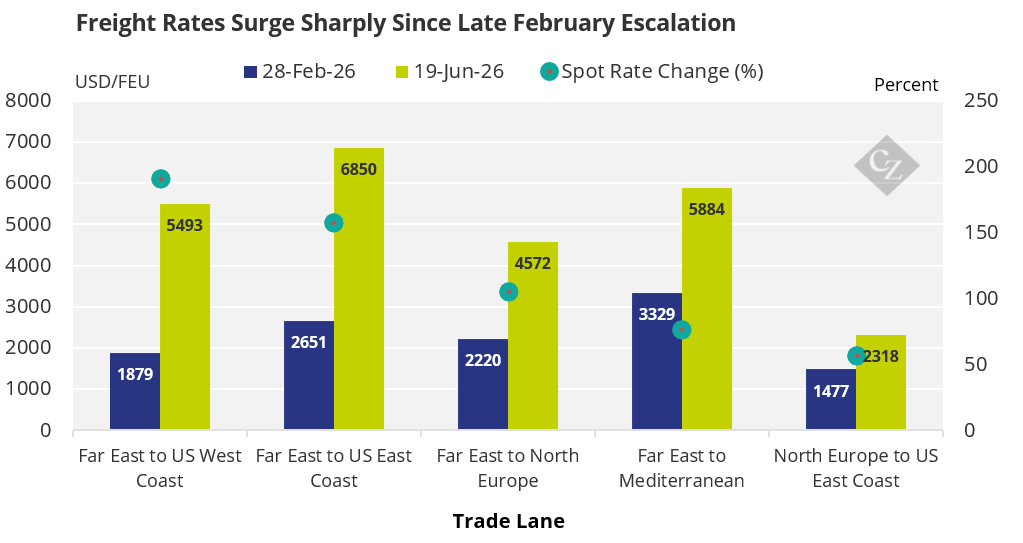
Source: Xeneta
On specific heavily exposed port pairs, Drewry’s assessment shows spot rates from Shanghai to New York climbing 15% in one week to USD 6,769 per 40ft container, while Shanghai to Los Angeles jumped 10% to USD 5,142. On the European leg, Shanghai to Rotterdam rates rose 15% to USD 4,342, and Shanghai to Genoa reached USD 5,756.
This relentless upward pressure on rates is being driven by intense “frontloading” by global shippers. Importers are aggressively pulling cargo forward to secure equipment and vessel space due to widespread fears over geopolitical instability, capacity deficits, upcoming US tariff changes, and steep peak-season surcharges (PSS) and Freight All Kinds (FAK) rate hikes set for July.
Carriers are managing this demand tightly; Drewry’s Container Capacity Insight noted only six blank sailings on the Transpacific and three on Asia-to-Europe routes in a single week, underscoring how restricted available space has become.
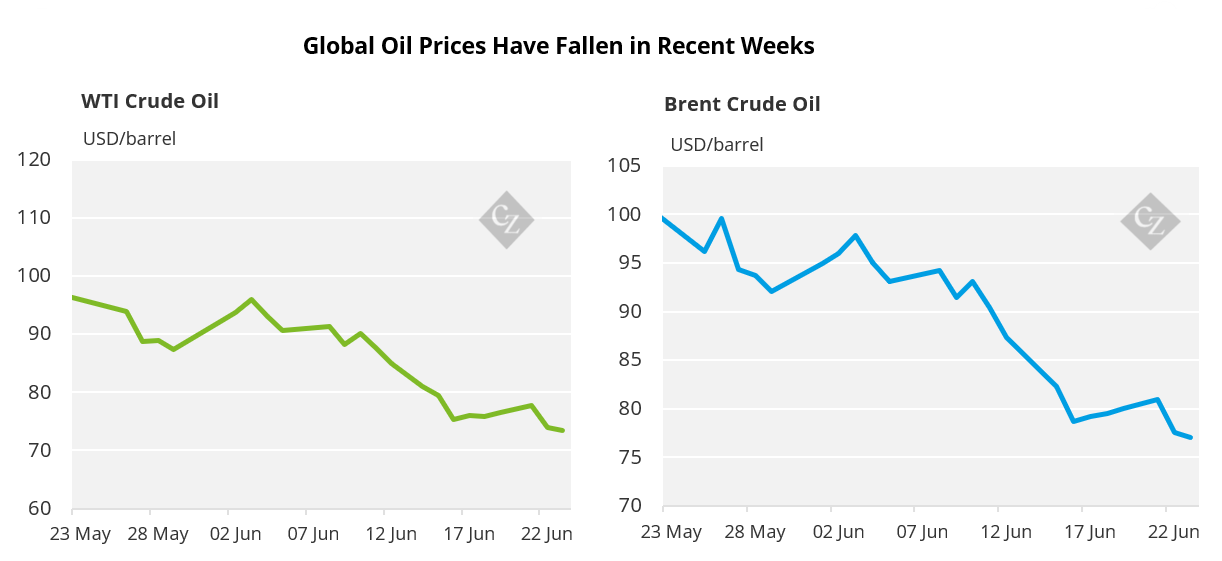
Interestingly, this rate surge comes despite the fact that marine bunker fuel and global oil prices have actually dropped by approximately 20% over a 10-day period.
Industry experts project that spot rates will continue to climb for at least another four weeks, peaking only when the Strait is verified as fully clear and safely open for standard shipping operations
The Long Road to Re-establishing Normalcy
Market analysts warn that the signing of the US-Iran deal will not unlock the global supply chain overnight. Shippers must brace for a protracted, multi-month recovery period before any semblance of normalcy returns for the shipping industry.
While the MoU outlines the cessation of the naval blockade and Iran’s maritime obligations, the agreement stipulates a mandatory 30-day window just for initial minesweeping operations.
Xeneta has outlined a strict Three-Phase Recovery model for the region.
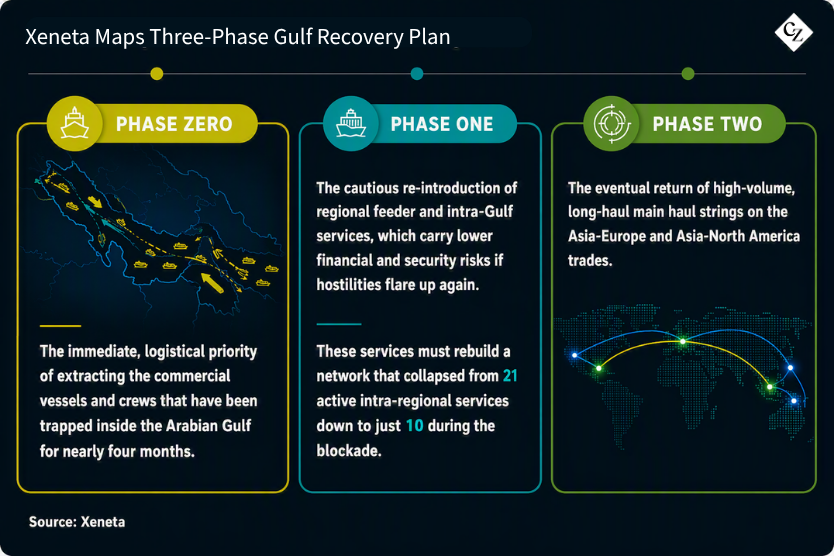
The scale of the disruption is immense. Before late February, 99 container services transited the Arabian Gulf, deploying 488 vessels and 3.2 million TEUs of nominal capacity, roughly representing 10% of the entire global container fleet.
Today, only 11 services and a meagre 18 vessels remain active in the region, representing a massive 97.5% drop in active regional capacity to just 74,000 TEUs. A total of 470 container ships has been entirely diverted or displaced across the globe.
BIMCO analysts estimate that while vessels already within the Gulf (including more than 100 laden tankers) can begin re-establishing trade relatively quickly once safe passage is confirmed, full liner service recovery will take at least a couple of months.
At the same time, Xeneta analysts believe the scale of disruption is so significant that, even in the best-case scenario, the recovery of ocean supply chain networks cannot be sooner than mid-September.
Furthermore, a true recovery in regional cargo volumes will take significantly longer due to extensive war damage sustained by critical energy infrastructure, such as the Habshan complex in the UAE and gas production facilities at Ras Laffan in Qatar, which will directly delay LNG shipments and regional fertiliser exports.