Insight Focus
Recycling systems vary significantly across global PET markets. Packaging circularity therefore depends on more than design, with collection infrastructure, regulation and recycling capabilities shaping real-world outcomes. Collaboration across the PET value chain can help producers adapt as these systems continue to evolve.
Sometimes the most interesting part of writing an article is the conversation it starts. The insight from sustainability consultant Dr. Vicky Lofthouse in last month’s report about why PET circularity depends on more than design prompted some thoughtful responses, particularly around the challenge of making circularity work in different markets. So, I thought it would be valuable to continue the conversation.
Packaging innovator Packamama, famous for pioneering the flat rPET wine bottle, shared the blog post alongside an illustration of its Eco Flat bottle and the five stages of circularity: design, use, collection, sorting and reprocessing.
It’s a useful reminder that even when packaging is designed for recyclability, what happens after use determines whether that potential is realised. All good intentions, and all that hard work, can only go so far if the packaging never makes it back into the recycling system.
And this is the bit that really gets us packaging people talking.
Recycling Systems Vary Across Markets
PET is an internationally traded material, but the systems surrounding it are decidedly local.
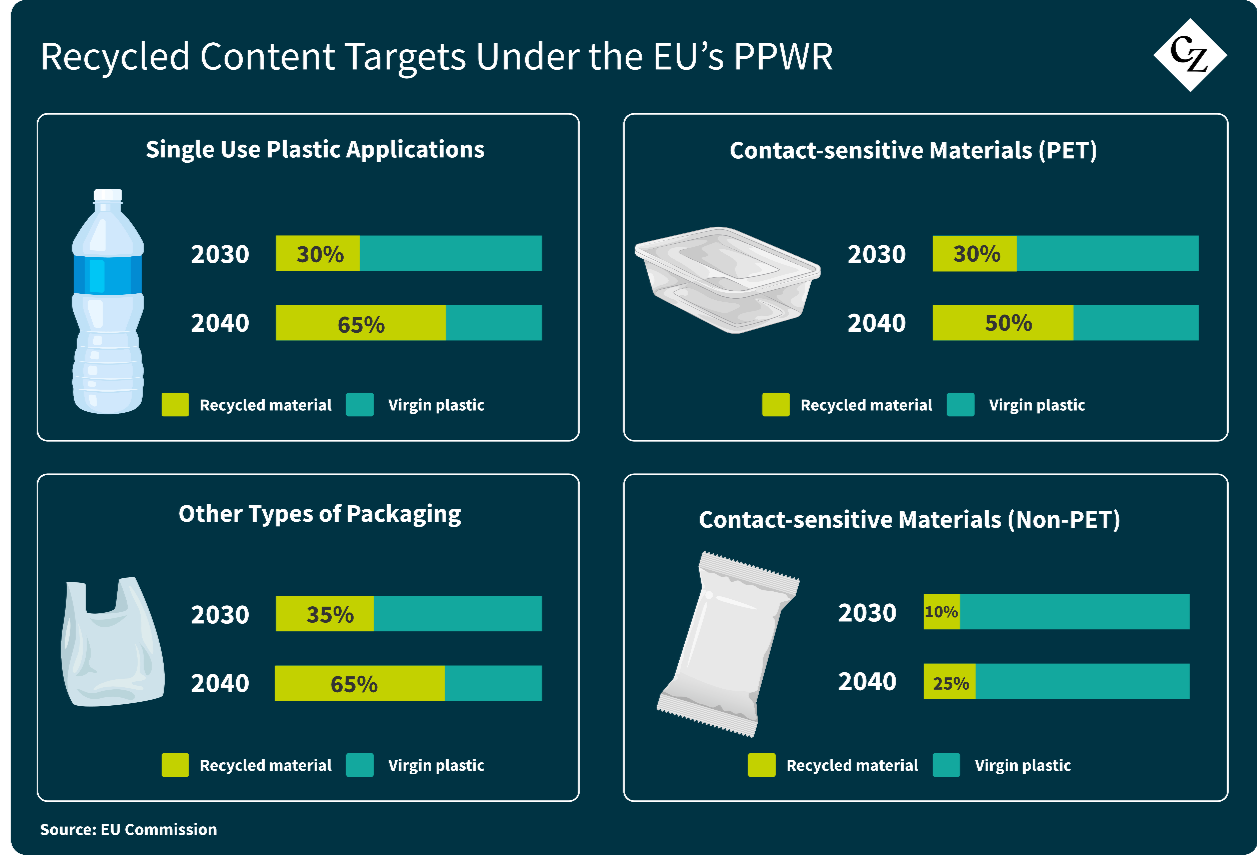
The EU’s Packaging and Packaging Waste Regulation (PPWR), which we’ve all been hearing about, is establishing common requirements across European markets, while collection infrastructure and recycling capabilities continue to vary between countries. That lack of consistency is frustrating and confusing, not to mention wasteful in itself.
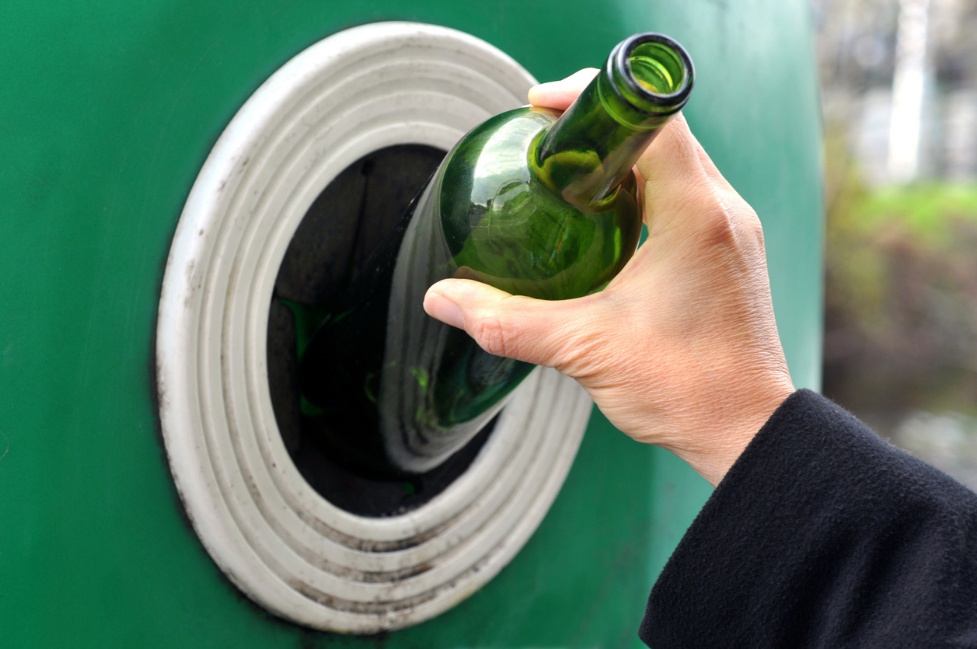
Poland, for example, introduced its deposit-return system in October 2025. The growing network of collection points and increasing participation demonstrate how infrastructure can improve opportunities to recover valuable packaging materials. It also shows that consumers like to do the right thing… as long as it’s made easy and, ideally, incentivised.
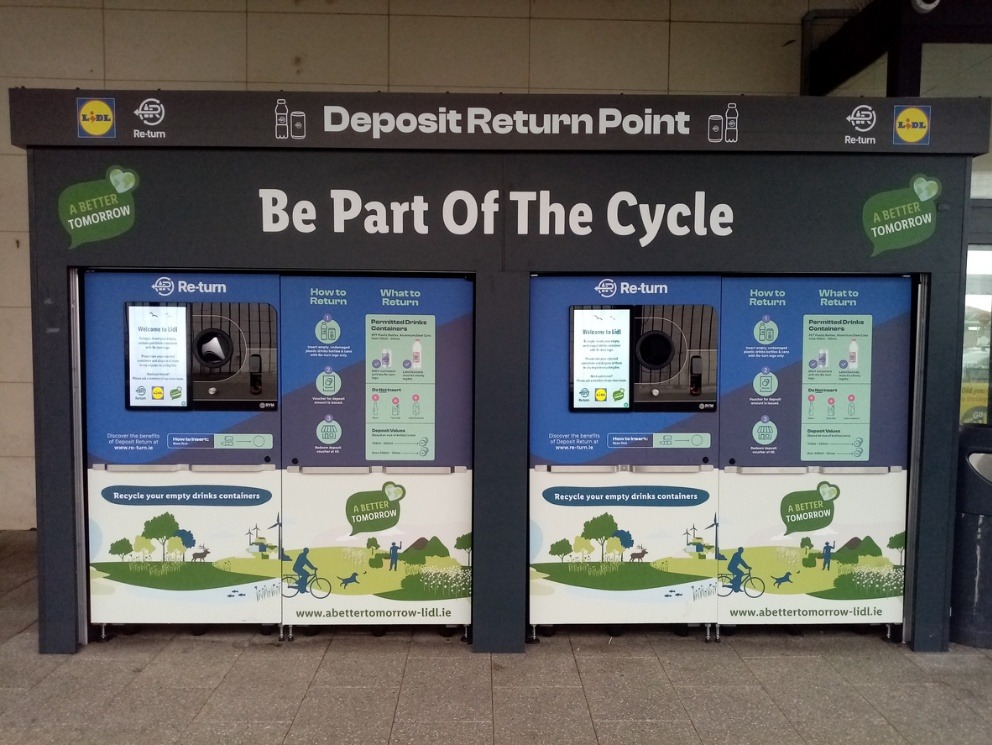
Deposit-return point for recyclable packaging
Meanwhile, the US is developing a different regulatory landscape, with individual states introducing extended producer responsibility legislation and recycled-content requirements.
For international PET producers and packaging brands, the challenge goes beyond understanding whether a product is technically recyclable. It’s about understanding the market in which that product will be used, collected and, hopefully, recycled.
So, does every packaging producer need to become an expert in every country’s recycling legislation, collection infrastructure and material requirements? Thankfully, no.
This is where collaboration across the PET value chain becomes particularly valuable. Packaging manufacturers, material suppliers, recycling specialists and technical experts can help brands understand how design decisions translate into real-world performance. That might mean considering label compatibility, colour, recycled-content specifications or the recycling technologies available in a particular market. It also means looking ahead as requirements and infrastructure continue to develop.
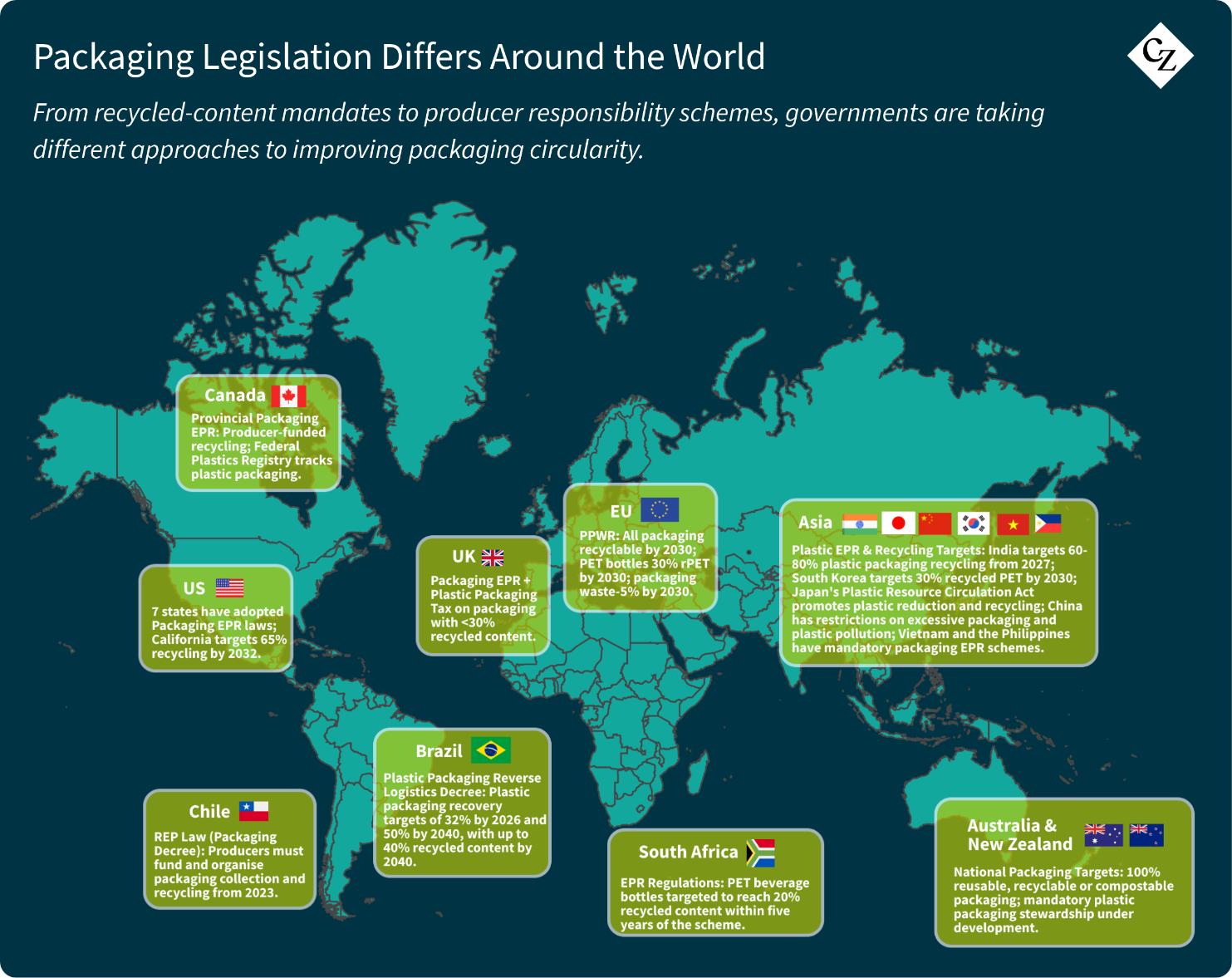
Circularity Is a Moving Target
There is no single solution that works everywhere, nor is there one set of decisions that will remain unchanged forever. Regulation is evolving, recycling technology is advancing and consumers are becoming more familiar with the systems designed to recover packaging.
I think this is why last month’s report started such interesting conversations across my network of PET packaging professionals. It’s a topic that impacts us all, whichever part of the industry we sit in. It’s great to realise that opportunities to share expertise, adapt solutions and make circularity increasingly practical are available to us, as long as we share what we know and ask about what we don’t.