Insight Focus
US sugar market remains quiet, prices unchanged. Buyers stayed on the sidelines, working through existing 2025–26 contracts and showing limited appetite for new commitments, while some sellers restricted spot offerings and focused on forward bookings. Duty risks linked to the USTR investigation supported pockets of buying, and crop conditions were mixed across key states, though most beet ratings remained solid.
This update is from Sosland Publishing’s Sweetener Report. For more information and subscription details, CLICK HERE.
Muted Trade as Users Stay on Sidelines
Activity in the cash sugar market was slow last week, and prices were unchanged.
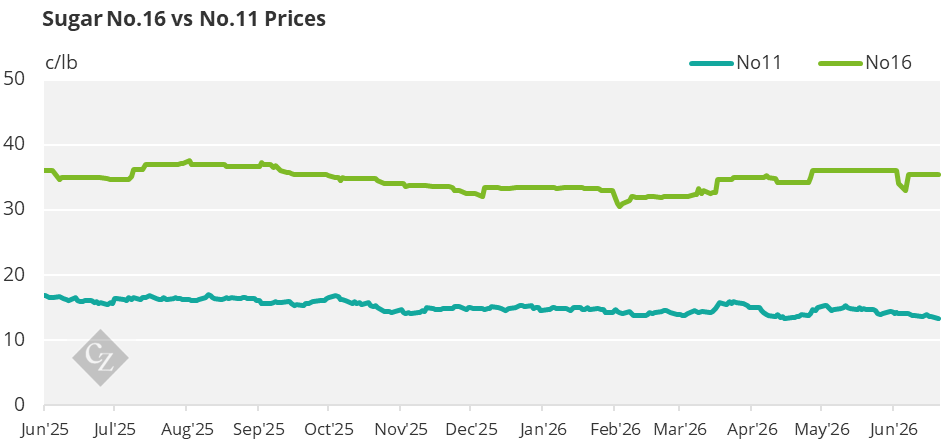
A few users had already booked their forward needs earlier in the month, but several continued to assess the market, preferring to stay on the sidelines and in the spot market rather than commit to sugar contracts that they may or may not need. Some sellers, however, were not offering spot sales or were only selling to established customers, though they continued to promote 2026–27 contract bookings.
Many users were still chewing through the remnants of their 2025–26 contracts. As the end of the quarter approached and contract balances were calculated, several users were contending with the reality of needing to roll more sugar into the next period, which seemed to dampen their appetite for committing to additional supplies, especially since the sugar purchased a year earlier was generally contracted at a lower price. Meanwhile, uncertainty surrounded the outlook for forward demand.
Duty Risks Spur Fresh Buying Interest
The potential for additional duties on sugar imports, which some have rumoured may be as high as 10c/lb for raw sugar and 20c/lb for refined supplies on top of high-tier duties, continued to spur some buying activity.
The Office of the US Trade Representative (USTR) is currently conducting a Section 301 investigation that began in March to determine whether certain countries are overproducing commodities due to government subsidisation. Sugar was not initially part of the investigation but may have been added. Many industry and government officials have urged the USTR to include sugar as part of the broader inquiry. It is expected that the USTR will complete its investigation and propose remedies by the end of July.
Mixed Crop Conditions Across Key States
The domestic sugar beet and sugar cane crops were progressing. Good-to-excellent condition ratings for the US sugar beet crop as of June 14 were varied, but most were very good. Colorado had the lowest rating at 28% good-to-excellent, but that was an improvement from 16% a week earlier. Last year, however, the state’s good-to-excellent rating during the same week was 75%. A spring snowstorm and sharp temperature swings created problems for the crop, but it was too early to determine any lasting damage.
For other reporting states, good-to-excellent conditions as of June 14 were 82% in Minnesota (82% a week earlier, 81% a year earlier), 77% in North Dakota (90%, 80%), 80% in Idaho (80%, 97%), 66% in Michigan (68%, 87%), and 70% in Wyoming (67%, 85%). Neither Oregon nor Montana reported conditions.
The sugar cane crop in Louisiana as of June 14 was rated 66% good-to-excellent, up one percentage point from a week earlier but down from 75% a year ago.
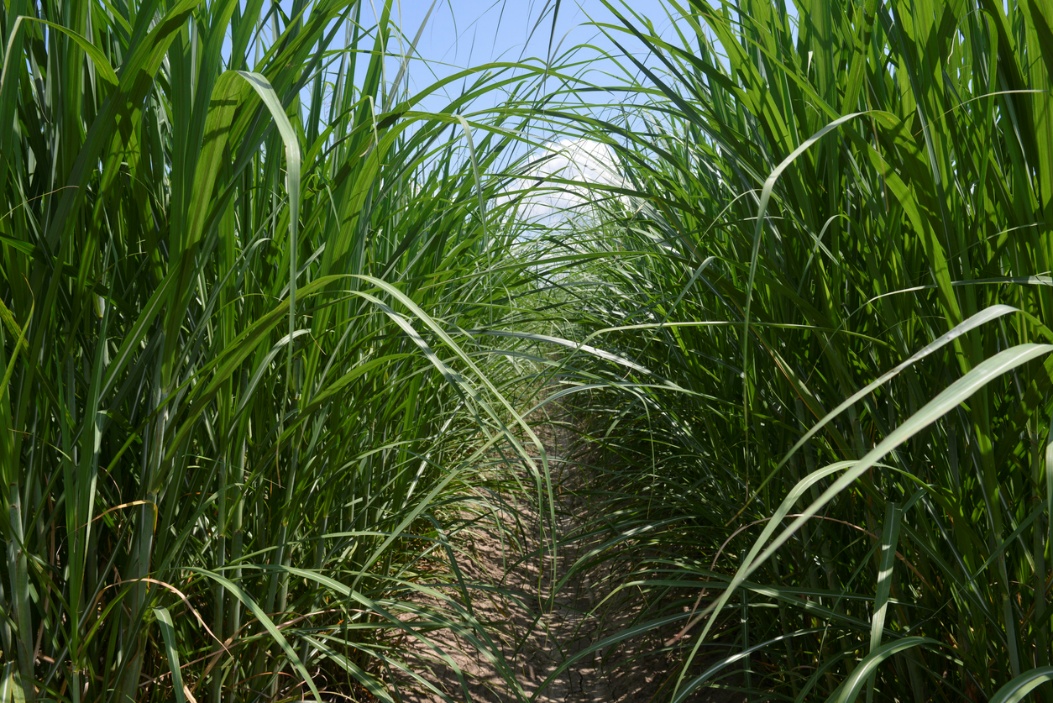
Sugarcane Crop, Louisiana
The corn sweetener market was quiet.