Insight Focus
US dairy markets shifted as product availability varied across the country. Constrained supply supported dry whey prices, while nonfat dry milk declined amid greater Western availability and cautious domestic buying. Butter remained steady, although export production limited fresh salted butter and holiday demand tightened cream supplies.
This update is from Sosland Publishing’s Dairy Report. For more information and subscription details, CLICK HERE.
Dairy product prices were irregular this week as traders assessed shifting availability and demand ahead of the Thanksgiving holiday.
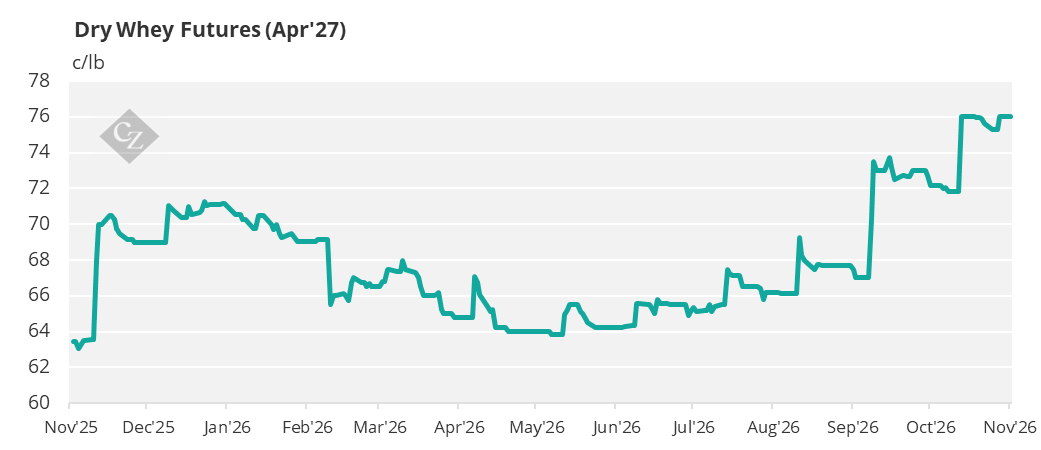
Tight Dry Whey Supply Lifts Prices
Dry whey prices climbed as inventories stayed constrained across much of the country. Production disruptions at a major processing facility in late September, followed by cancelled contracts in October, contributed to limited availability. Spot buyers faced premiums as processors prioritised existing commitments.
Meanwhile, whey protein concentrate 80% prices continued to weaken, with one trade source reporting offers in the USD 6-7/lb range. One source attributed the volatility to buyers building inventories during periods of tight supply, then delaying purchases as prices declined. The source noted that additional processing capacity may influence the market’s longer-term direction. Prices were expected to eventually establish a floor before gradually recovering.
Increased Supply Weighs on Nonfat Dry Milk Prices
Nonfat dry milk prices declined, particularly in the West, where increased availability and cautious domestic buying weighed on values.
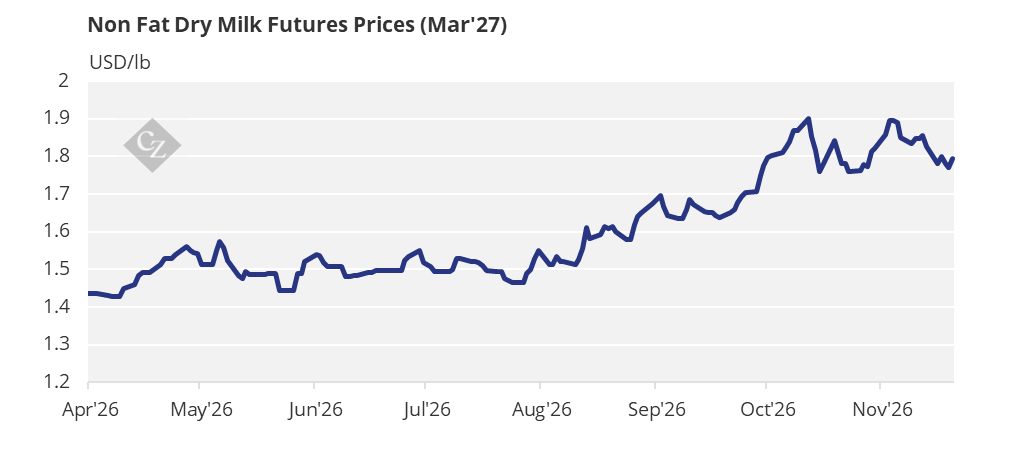
Some additional product became available in the Midwest, although East Coast inventories were limited. Mexican buyers continued to show interest ahead of the holiday season, but domestic purchasers were reluctant to build inventories while nearby prices exceeded deferred values.
Butter Steady as Cream Availability Tightens
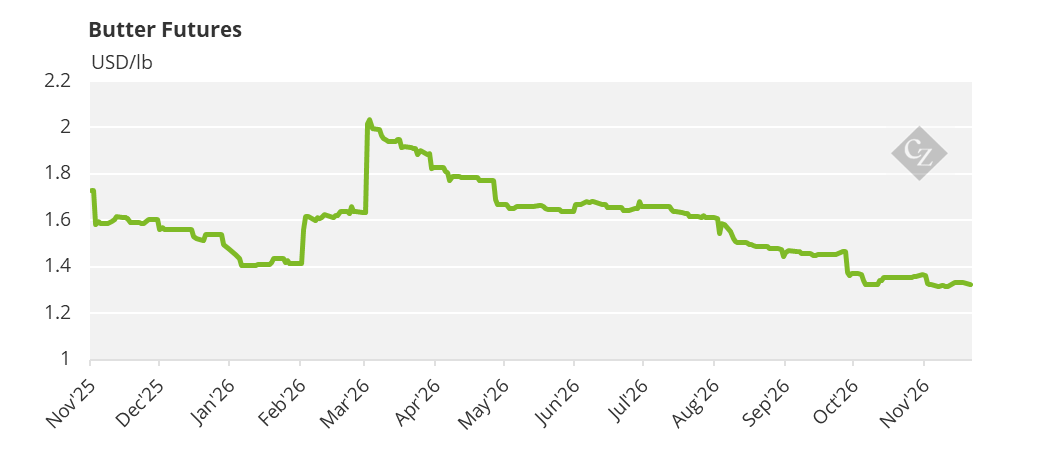
Butter prices were comparatively steady, although there was a divide between fresh and older inventories. Much of the nation’s churning capacity was being directed towards 82% butterfat production for export, limiting access to fresh salted butter. Meanwhile, large traders were unwinding cash-and-carry positions involving older frozen salted butter, placing pressure on CME spot values.
Cheese markets were uneven as mozzarella demand outpaced production, while cheddar barrel demand improved and curd buying eased.
Milk production edged higher in the Midwest, aided by improved component levels, while output in southern portions of the Central region fell short of expectations. Cream availability tightened as holiday demand from cream cheese, eggnog and other processors competed with butter churns.

Eggnog being poured at a Christmas market