Insight Focus
Cheese, butter and whey prices advanced, while milk powder markets were mixed. Tight supplies and production disruptions supported whey values, with WPC 34% rising as demand outpaced availability. Butter showed signs of recovery, and stronger cheese demand lifted CME spot prices despite generally ample inventories.
Dairy product prices were mixed this week. Cheese and butter values advanced, some milk powder markets weakened, and supply constraints lifted whey values.
Spot NDM Falls Despite Underlying Supply Tightness
Nonfat dry milk prices were mixed as CME spot values declined, while scarce supplies supported regional markets. One trade source said the retreat in spot values was surprising given relatively little change in physical market conditions, although sharply discounted deferred futures signalled expectations for lower prices.
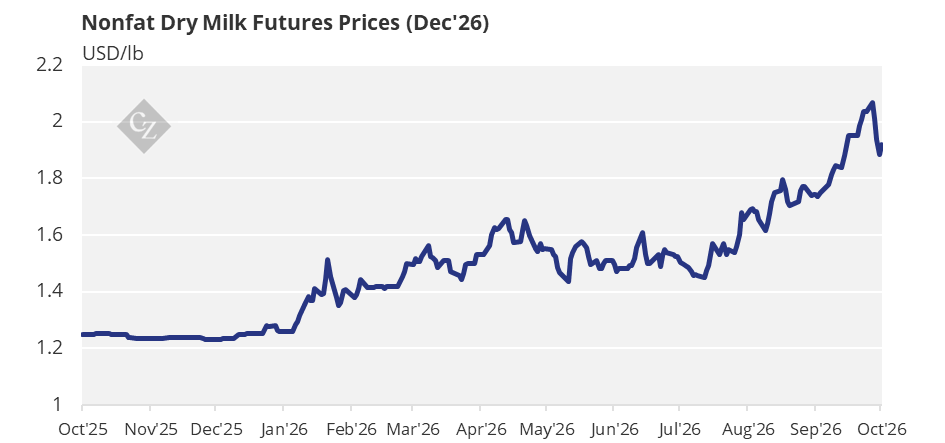
Mexican buyers had secured substantial November volumes from European suppliers, raising questions about near-term US export demand. Trading volumes were light compared with recent weeks, but supplies remained tight. Western manufacturers operated behind schedule, and buyers relied on brokers to secure loads.
Whey Rallies on Supply Constraints as Butter Firms
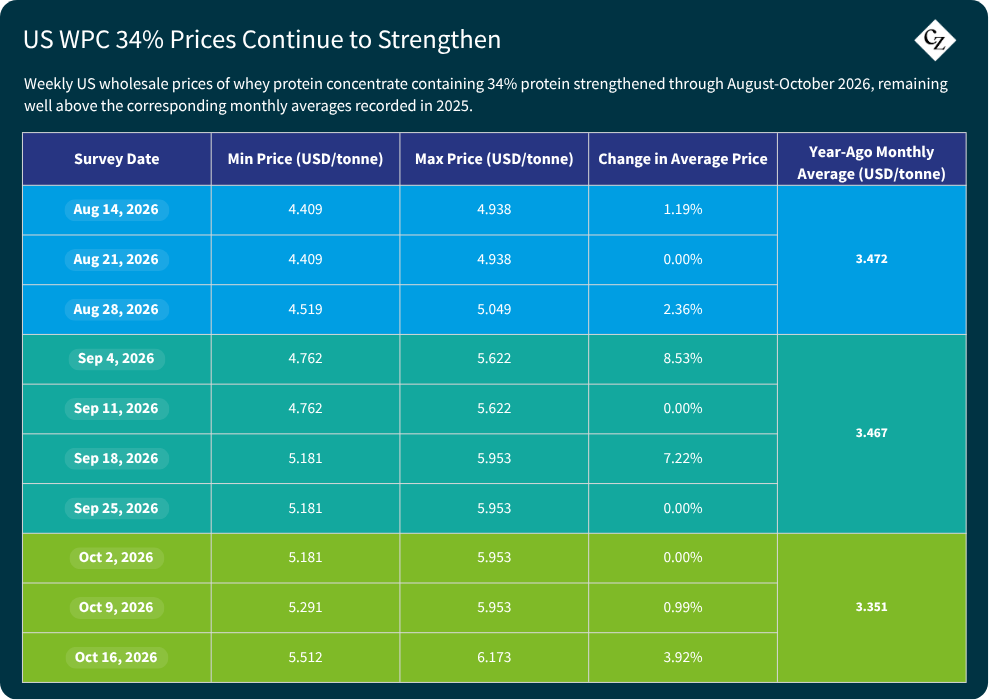
Dry whey prices advanced as production interruptions tightened inventories and strong export interest from the EU drew supplies away from domestic buyers. Feed and calf milk replacer manufacturers also competed for product, with some paying food-grade prices. Whey protein concentrate (WPC) 34% prices climbed as demand outpaced available supplies, while WPC 80% prices stabilised.
Source: CLAL
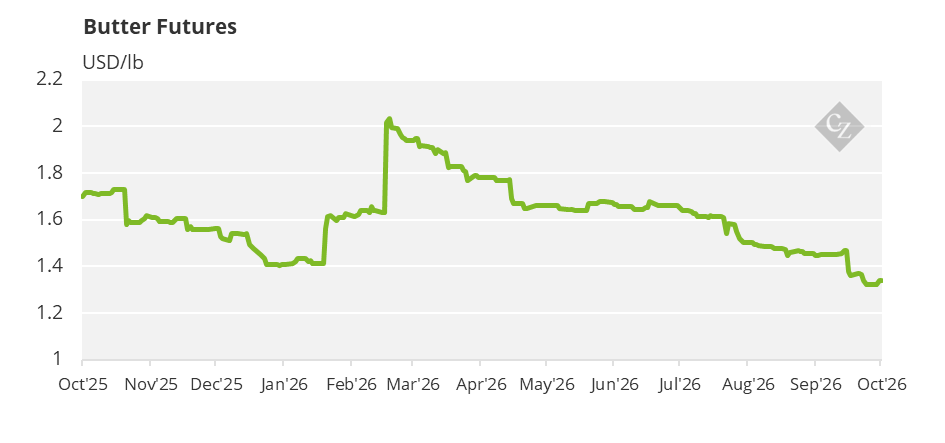
Butter prices rose, showing signs of firming after a prolonged downturn. Historically low values encouraged buyers to secure holiday coverage.
Export Premiums and Strong Demand Support Cheese Market
Cheese prices rallied, with CME spot cheddar block and barrel prices both posting gains. Cheddar production was steady, and inventories were plentiful in the Central region. Mozzarella and parmesan orders were strong, and supplies were tight.
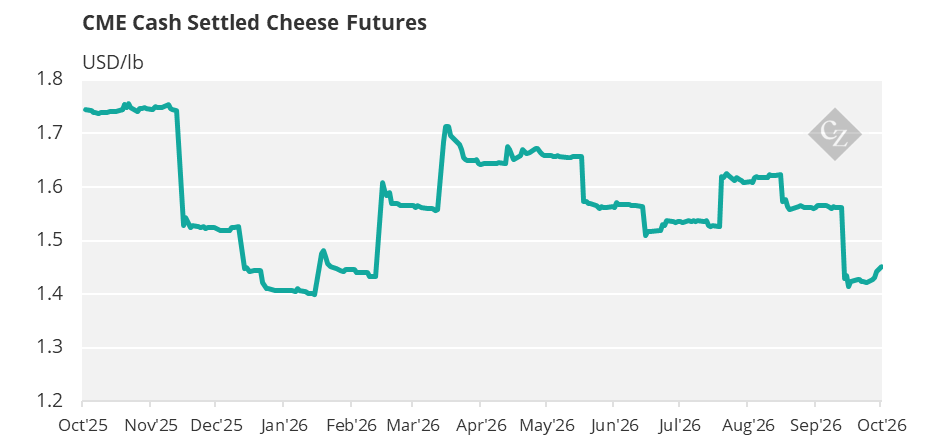
Western manufacturers operated at full capacity, with substantial inventories and steady domestic demand. Export sales continued to command premiums, and some sellers booked shipments for early 2027. Eastern production was steady, with cream cheese output increasing ahead of holiday demand.
Milk availability varied by region. Northeast supplies were generally heavy, but strong Class I and II demand left some processors short. Cooler weather contributed to higher production in the Central and Western regions, although competing demand constrained Class III spot availability. Southwest supplies remained tight amid persistent heat.